


 En
En  简体中文
简体中文 English
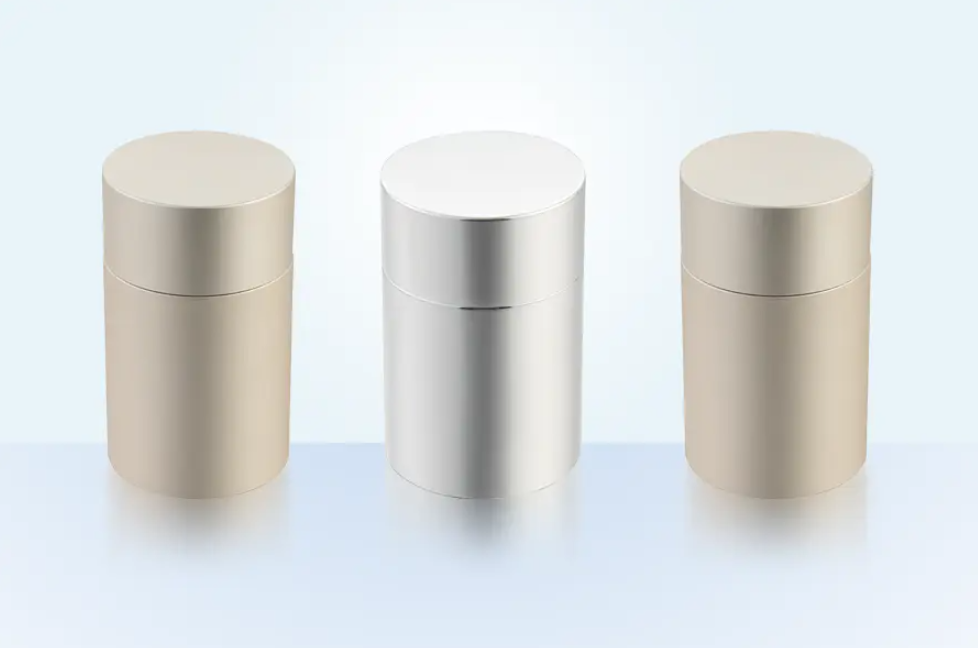
From the perspectives of comprehensive freshness preservation, protection performance, and long-term storage effects: Tea Aluminum Can are overall superior to glass jars in moisture resistance, oxidation prevention, light protection, and sealing performance, making them more suitable for the long-term storage of mid- to high-end teas. Glass jars have advantages in visibility and display, but have inherent shortcomings in light protection and temperature–humidity stability. Therefore, the two are not simply a matter of “which is better,” but are suitable for different tea storage scenarios and needs.
Content
- 1 Comparison of moisture-proof sealing performance, light protection, and oxidation resistance
- 2 Material structure and impact resistance performance
- 3 Preservation performance comparison under the same environmental conditions
- 4 Differences in user experience and functionality
- 5 Cost and cost-performance analysis
- 6 Conclusion
Comparison of moisture-proof sealing performance, light protection, and oxidation resistance
Tea Aluminum Can usually adopt multi-layer sealing structure designs: inner lid + outer lid double sealing, sealing ring structures, precision screw caps or press-fit lids, and high-airtightness canister mouth designs. Their moisture barrier rate can reach over 99%, effectively preventing tea from absorbing moisture and becoming damp again.
The sealing performance of glass jars depends on the lid structure: ordinary screw caps, cork stoppers, single-layer sealing structures, and sealing stability is greatly affected by structure, making long-term storage easily influenced by environmental humidity.
The light-blocking advantage of Tea Aluminum Can is obvious: fully opaque structures, ultraviolet blocking, prevention of photo-oxidation reactions, delayed oxidation of tea polyphenols, and maintenance of stable tea aroma components.
Even dark-colored glass jars still have light transmission problems: ultraviolet rays can penetrate, light exposure accelerates oxidation, and affects the stability of tea flavor.
Material structure and impact resistance performance
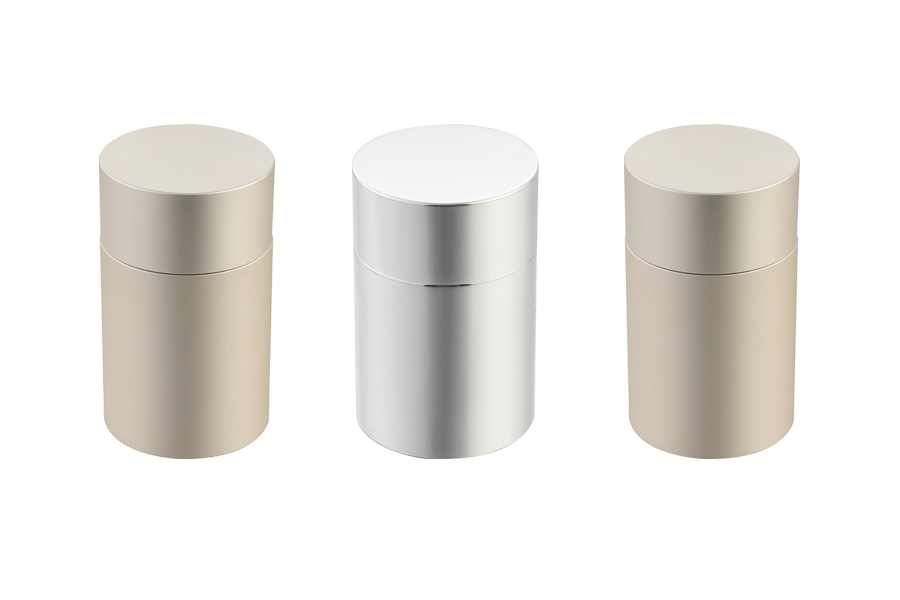
Tea aluminum canister structural characteristics: aluminum alloy material, strong drop resistance, resistance to compression deformation, high transport safety, suitable for long-distance transportation and storage.
Glass jar structural characteristics: fragile, poor impact resistance, risk of breakage, high transportation risk.
Preservation performance comparison under the same environmental conditions
(25°C, humidity 65%, 60-day storage test)
| Indicator | Tea aluminum canister | Glass jar |
| Humidity change | ≤2% | ≥8% |
| Aroma retention rate | ≥90% | ≤75% |
| Oxidation degree | Low | Medium |
| Taste change | Stable | Significant decline |
Differences in user experience and functionality
Advantages of Tea Aluminum Can: stable sealing, light weight, not easily broken, easy to carry, suitable for multi-scenario use.
Advantages of glass jars: visual storage, strong display appearance, suitable for short-term display.
Scenarios more suitable for Tea Aluminum Can: Mid- to high-end tea storage, long-term preservation, warehouse environments, bulk storage, tea transportation, commercial packaging, e-commerce logistics.
Scenarios more suitable for glass jars: Short-term consumption, daily household use, tea table display, tea display decoration.
Cost and cost-performance analysis
Tea Aluminum Can: slightly higher unit price, long service life, high reusability rate, high long-term cost performance. Tea Aluminum Can
Glass jars: lower unit price, easy to break, high replacement frequency, rising long-term costs.
Common purchasing misconceptions: Only focusing on appearance and ignoring sealing structure; replacing storage needs with display needs; believing glass jars are “more environmentally friendly so better for tea storage”; ignoring the impact of light on tea quality; neglecting humidity control capability.
Conclusion
The core of choosing between Tea Aluminum Can and glass jars: is not “material superiority,” but “storage objectives and usage scenarios.”
If the goal is long-term freshness preservation, stable storage, and quality protection: Tea Aluminum Can are a more professional choice of tea storage containers; if the goal is short-term use, visual display, and convenient access: glass jars are more convenient.
Scientific tea storage should prioritize four core indicators: moisture prevention, light protection, oxidation prevention, and odor isolation. In these four key dimensions, Tea Aluminum Can better meet professional storage standards.



 +86-13967526770 / +86-0575-82393566
 +86-0575-82393568
 Weiqi Road, Hangzhou Bay Economic and Technological Development Zone, Shangyu District, Shaoxing City, Zhejiang Province, China