


 En
En  简体中文
简体中文 English
Aluminum emulsion jars are the superior choice for preserving sensitive skincare formulations, projecting a premium brand image, and meeting sustainability goals — while plastic jars offer lower cost, greater design flexibility, and lighter weight for mass-market and travel-oriented products. Neither material is universally better; the right choice depends on the specific formulation being packaged, the target consumer, the brand positioning, and the distribution environment.
For emulsion products specifically — lotions, creams, and serums that contain emulsified water and oil phases with active ingredients — the packaging choice directly affects product stability, ingredient efficacy, and shelf life. Aluminum's barrier properties, heat resistance, and oxidation-inhibiting surface treatment give it a functional edge over most plastics when product protection is the primary concern. However, for transparent display, squeeze-and-pump convenience, or cost-sensitive formulations, plastic provides practical advantages that aluminum cannot match.
This article examines both packaging types across every dimension relevant to emulsion packaging decisions: material properties, barrier performance, sealing and moisture protection, heat resistance, aesthetic and branding potential, sustainability, cost, and consumer experience — giving brand owners, formulators, and packaging buyers a complete basis for comparison.
Content
- 1 Material Properties: What Aluminum and Plastic Are Made Of
- 2 Barrier Performance: Protecting the Emulsion from External Threats
- 3 Sealing and Closure Performance
- 4 Heat Resistance and Storage Stability
- 5 Aesthetic and Branding Potential
- 6 Durability, Deformation Resistance, and Drop Performance
- 7 Sustainability and Environmental Impact
- 8 Weight, Logistics, and Portability
- 9 Cost Comparison: Unit Cost, Tooling, and Total Cost of Ownership
- 10 Comprehensive Side-by-Side Comparison
- 11 Which Applications Should Use Aluminum, and Which Should Use Plastic
- 12 Final Verdict: Match the Jar to the Product Strategy
Material Properties: What Aluminum and Plastic Are Made Of
Understanding the fundamental physical and chemical properties of each material explains why each performs the way it does across all downstream packaging criteria.
Aluminum Emulsion Jar Construction
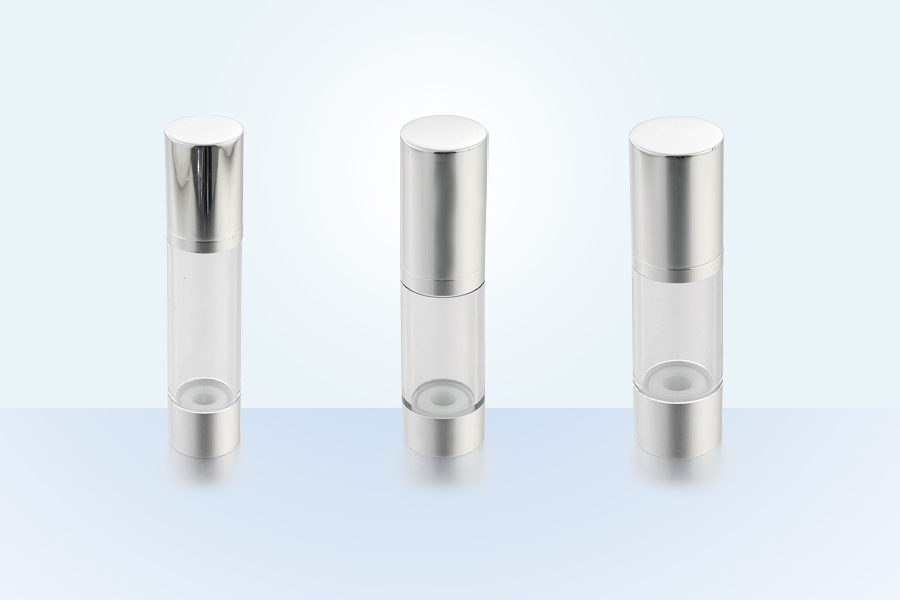
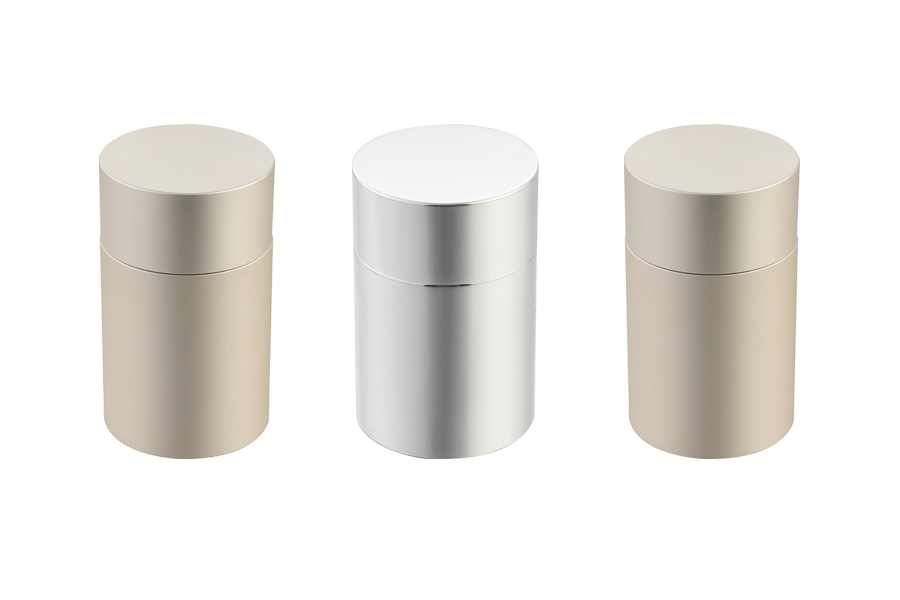
Aluminum emulsion jars used in cosmetic packaging are typically manufactured from alloy grades 1050, 1070, or 3003 — commercially pure or near-pure aluminum grades with excellent formability and corrosion resistance. The jar body is formed by impact extrusion or deep drawing, producing a seamless, one-piece container with no side seams that could leak or deform under pressure.
The interior of the jar is coated with a food- or cosmetic-grade lacquer (typically epoxy or polyester-based) that prevents direct contact between the aluminum metal and the emulsion formulation. This inner lacquer layer is chemically inert to most cosmetic ingredients and protects both the product from metallic contamination and the aluminum from corrosive components such as acids, salts, or chelating agents that some formulations contain.
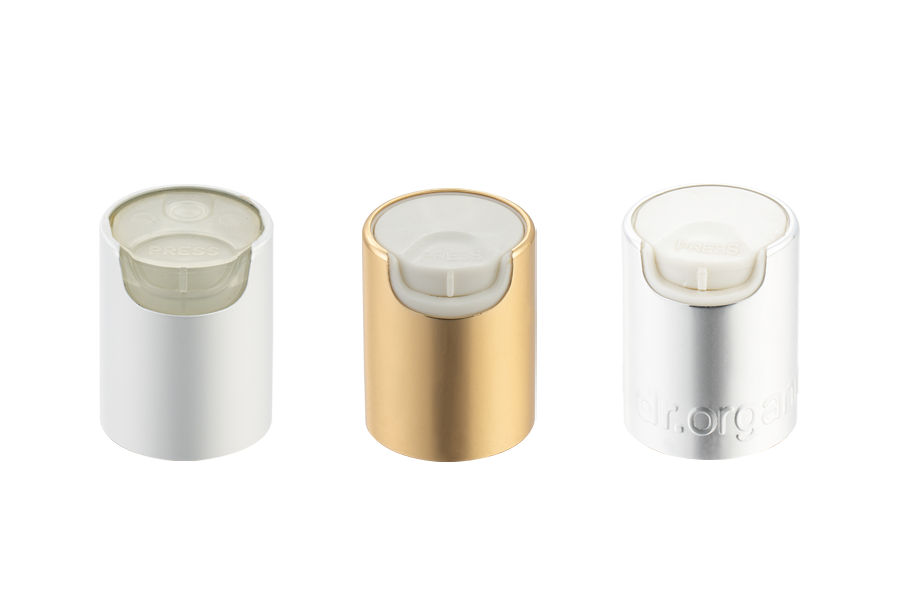
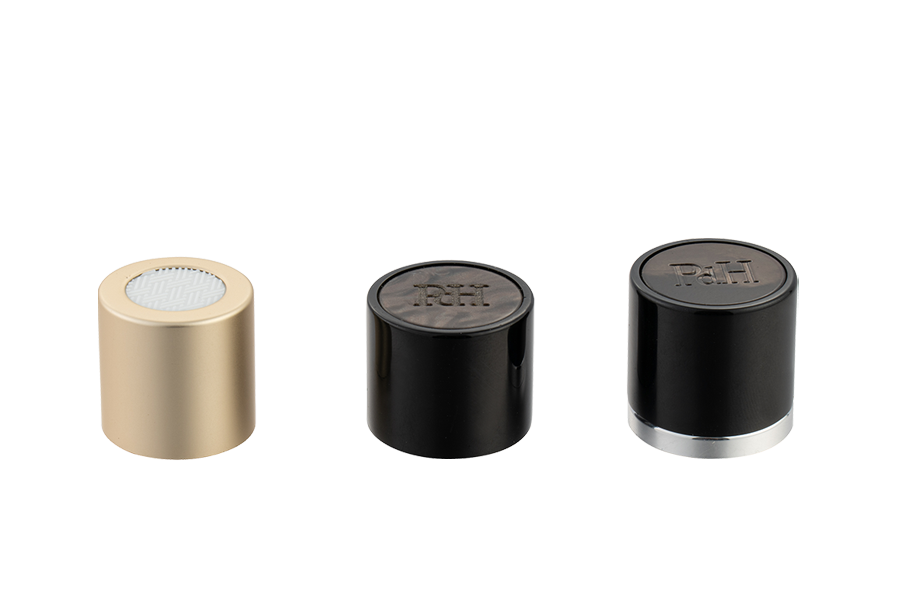
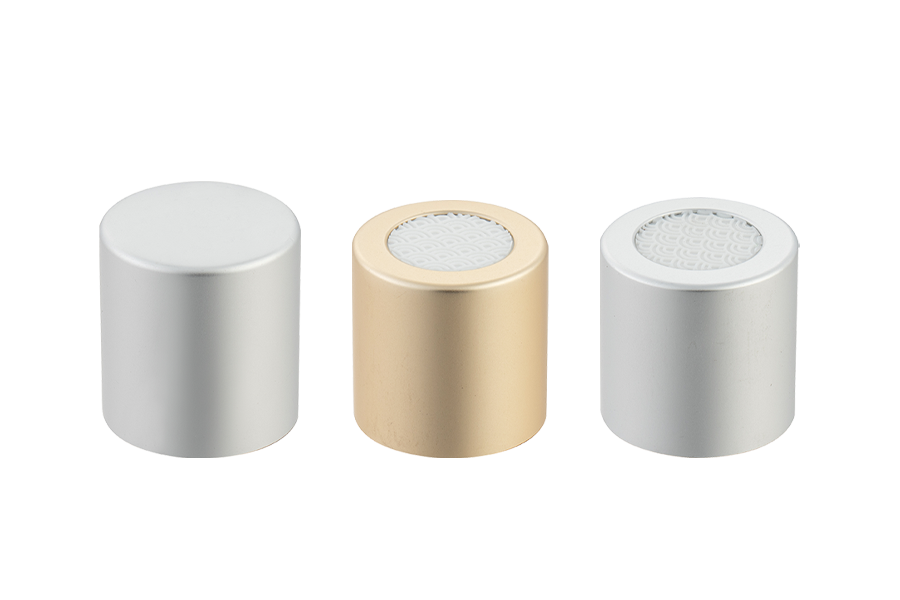
The closure — the cap or lid — typically features a dual-material construction: a plastic inner liner that contacts the product and provides the primary seal, combined with an anodized aluminum outer shell that provides structural strength, visual appeal, and corrosion protection. Anodization creates an aluminum oxide (Al₂O₃) surface layer typically 5–25 micrometers thick that is harder than the base aluminum, chemically stable, and capable of absorbing dye for coloring without affecting the metallic character of the surface.
Plastic Emulsion Jar Construction
Plastic emulsion jars are most commonly manufactured from polypropylene (PP), polyethylene terephthalate (PET), acrylonitrile butadiene styrene (ABS), or acrylic (PMMA), each offering different combinations of clarity, rigidity, chemical resistance, and processability. The choice of resin is determined primarily by the formulation's chemical composition and the desired appearance of the jar.
- PP (Polypropylene): Chemically resistant, heat-stable up to approximately 100–120°C, semi-translucent in natural form, widely used for standard emulsion jars. Low cost and excellent compatibility with most cosmetic formulations.
- PET (Polyethylene Terephthalate): Clear, glossy, moderate chemical resistance. Better barrier properties than PP but more susceptible to certain solvents. Common for clear-body jars where product visibility is desired.
- ABS (Acrylonitrile Butadiene Styrene): Rigid, opaque, good surface quality for decoration. Often used for outer shells in double-wall jar designs where appearance is prioritized over chemical compatibility.
- Acrylic (PMMA): Crystal-clear, glass-like appearance, higher cost. Used in premium plastic jar applications where transparency and optical quality are required but glass weight or fragility is a concern.
Plastic jars are manufactured by injection molding, which allows very complex geometries, threaded closures, integrated dispensing features, and a wide range of wall thicknesses to be produced economically at high volumes. Tooling costs for injection molding are significant — typically $5,000–$50,000 USD per mold depending on complexity and cavity count — but once the mold is made, per-unit costs are very low at production volumes.
Barrier Performance: Protecting the Emulsion from External Threats
For emulsion products containing active ingredients — vitamin C, retinoids, peptides, antioxidants, or botanical extracts — barrier performance against oxygen, light, moisture, and volatile organic compound loss is one of the most critical packaging functions. Barrier failure leads directly to ingredient degradation, color change, odor development, phase separation, or microbial contamination.
Oxygen Barrier
Aluminum provides a complete oxygen barrier — its oxygen transmission rate (OTR) is effectively zero. No oxygen molecules can permeate through an intact aluminum wall under any practical storage condition. This makes aluminum packaging ideal for oxidation-sensitive actives such as ascorbic acid (vitamin C), retinol, and unsaturated lipid ingredients that would degrade rapidly in the presence of oxygen.
Plastic jars, even the best available grades, transmit measurable quantities of oxygen through their walls by molecular diffusion. Typical OTR values for common plastic packaging resins at 23°C and 0% relative humidity are:
- PP: 1,500–3,000 mL/(m²·day·atm)
- PET: 50–100 mL/(m²·day·atm)
- PVDC-coated barrier plastic: 1–5 mL/(m²·day·atm)
- Aluminum (reference): ~0 mL/(m²·day·atm)
Even PET — one of the better barrier plastics commonly available — transmits 50–100 times more oxygen than the practical zero of aluminum. For a 30 mL emulsion jar with a surface area of approximately 60 cm², a PET jar could allow the entry of 0.3–0.6 mL of oxygen per day — enough to significantly oxidize sensitive ingredients over a product's 6–24 month shelf life.
Light Barrier
UV and visible light photodegrades many cosmetic actives, particularly retinoids, certain vitamins, and botanical pigments. Aluminum provides 100% light opacity — no UV, visible, or infrared radiation passes through the container wall. This is especially relevant for emulsions containing photosensitive ingredients that would require additional UV-absorbing additives in the formulation to maintain stability in a transparent or semi-transparent plastic container.
Opaque plastic jars (white, black, or colored) provide good light exclusion but rarely achieve 100% opacity — thin-walled sections or lighter colors allow measurable light transmission that aluminum eliminates entirely. Transparent plastic jars provide no light protection whatsoever, making them unsuitable for light-sensitive formulations without secondary barrier coatings.
Moisture and Vapor Barrier
For solid or semi-solid emulsion products (thick creams, balms, and whipped lotions), moisture vapor transmission through the jar wall can cause surface drying, crust formation, or microbial growth at the product surface over time. Aluminum's water vapor transmission rate (WVTR) is effectively zero — matching its oxygen barrier performance. Plastic resins transmit water vapor at measurable rates, with PP being relatively good (WVTR around 3–5 g/(m²·day)) and thinner-walled PET being worse in proportion to its wall thickness.
Sealing and Closure Performance
The closure system — how the jar seals when closed — is often as important as the jar body material in determining the overall barrier performance of the packaging system. Both aluminum and plastic jars can achieve excellent sealing with the right closure design.
Aluminum Jar Closure Design
The dual-material closure of aluminum emulsion jars — plastic inner liner plus anodized aluminum outer cap — is engineered specifically to provide both a leak-proof seal and an aesthetically premium exterior. The plastic inner liner seats against the jar opening and provides conformable sealing contact that accommodates minor dimensional variations in the jar mouth. The aluminum outer shell provides:
- Structural rigidity: The aluminum shell resists deformation under closing torque and storage pressure, maintaining consistent sealing force on the inner liner throughout the product's life.
- Tamper evidence: Aluminum caps can be fitted with induction-sealed foil membranes or press-on seals that provide clear visual evidence of first opening.
- Waterproofing: The anodized aluminum exterior does not absorb water or swell in humid environments, maintaining seal integrity even after exposure to bathroom humidity over repeated use cycles.
Plastic Jar Closure Design
Plastic jars typically use threaded closures, snap-fit lids, or press-on caps — all of which are produced at high precision by injection molding and can achieve excellent sealing when designed correctly. The main sealing vulnerability in plastic jar systems is thread engagement consistency and cap material creep under sustained closing pressure. Thermoplastic closure materials, particularly at elevated storage temperatures, can creep (slowly deform under sustained load), gradually reducing the sealing force on the gasket and potentially allowing vapor transmission paths to develop at the seal interface.
High-quality plastic jars mitigate this by using higher-performance resins for closures (PP or ABS rather than soft PE), incorporating silicone or EPDM gaskets that maintain sealing force over time, and designing closure geometry to provide multiple sealing contact surfaces.
Heat Resistance and Storage Stability
Cosmetic products pass through supply chains that include warehouse storage, shipping containers, and retail environments where temperatures can vary significantly. In regions with hot climates or poorly controlled storage facilities, packaging temperatures can reach 40–60°C — a range where thermal stability becomes critical.
Aluminum's Thermal Advantage
Aluminum has a melting point of 660°C and maintains its mechanical properties without measurable softening or deformation at any temperature encountered in cosmetic supply chains. The anodized surface treatment provides additional heat resistance, and the material does not outgas volatile compounds at elevated temperatures — meaning no migration of container material into the product occurs even under harsh storage conditions.
Aluminum also conducts heat rapidly (thermal conductivity approximately 200 W/m·K), which means the container equilibrates with ambient temperature quickly rather than maintaining a temperature differential that could create localized condensation or thermal stress within the formulation.
Plastic's Thermal Limitations
Plastic resins have significantly lower heat deflection temperatures than aluminum:
- PP: Heat deflection temperature approximately 100–120°C — acceptable for most supply chain temperatures but can begin to soften in direct sunlight on hot days.
- PET: Heat deflection around 70–80°C — more susceptible to distortion at high storage temperatures, particularly for thin-walled jar designs.
- ABS: 80–100°C — similar limitations to PET for thin-walled applications.
More importantly, plasticizers and stabilizers in some plastic resins can migrate into lipid-containing formulations at elevated temperatures. Studies have identified migration of phthalate plasticizers and BPA-related compounds from certain plastic packaging into cosmetic formulations, particularly those with significant oil-phase content. This migration concern has driven both regulatory scrutiny (REACH regulations in Europe, California Proposition 65 in the US) and consumer demand for metal or glass packaging in premium skincare.
Aesthetic and Branding Potential
Packaging appearance is not a secondary consideration in the cosmetics industry — it is a primary driver of purchase decisions. Research consistently shows that packaging design influences the purchase decision of 72% of consumers at point of sale, and the material of the container directly communicates quality signals that consumers interpret intuitively before they read a single word of product copy.
Aluminum's Aesthetic Strengths
Anodized aluminum offers a distinctive aesthetic that plastic cannot replicate authentically:
- Metallic luster and tactile weight: The density of aluminum (2.7 g/cm³) gives aluminum jars a satisfying weight and solidity in the hand that conveys quality. Consumers associate this heft with premium positioning.
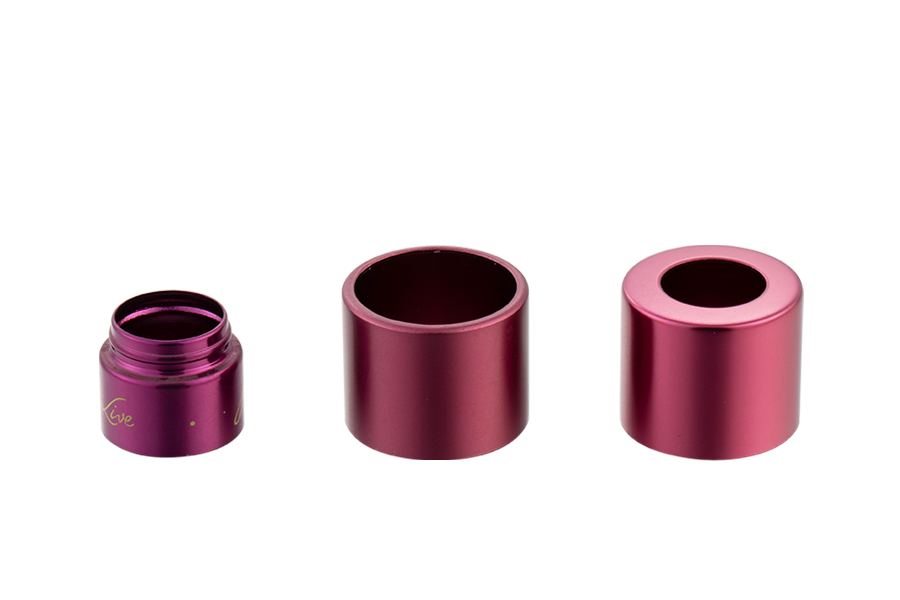
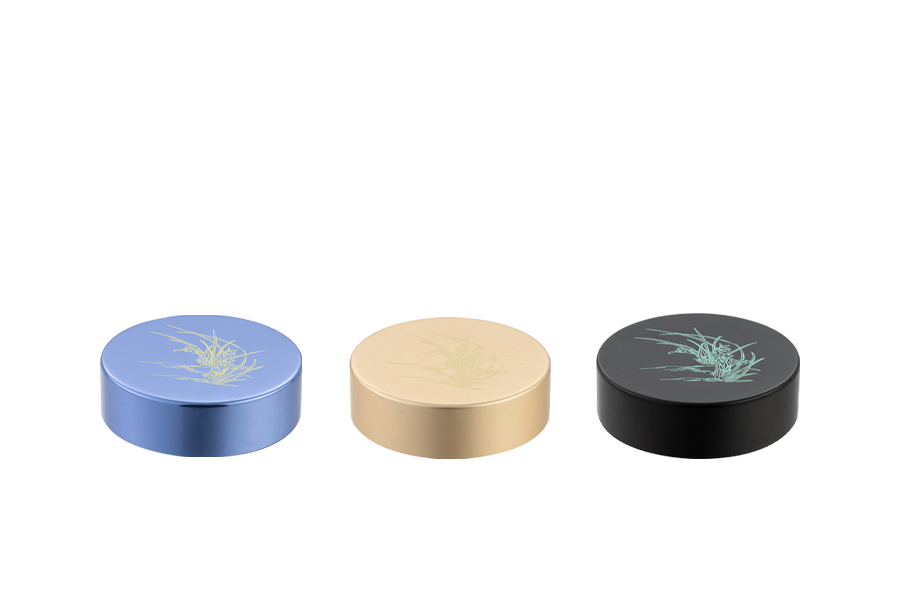
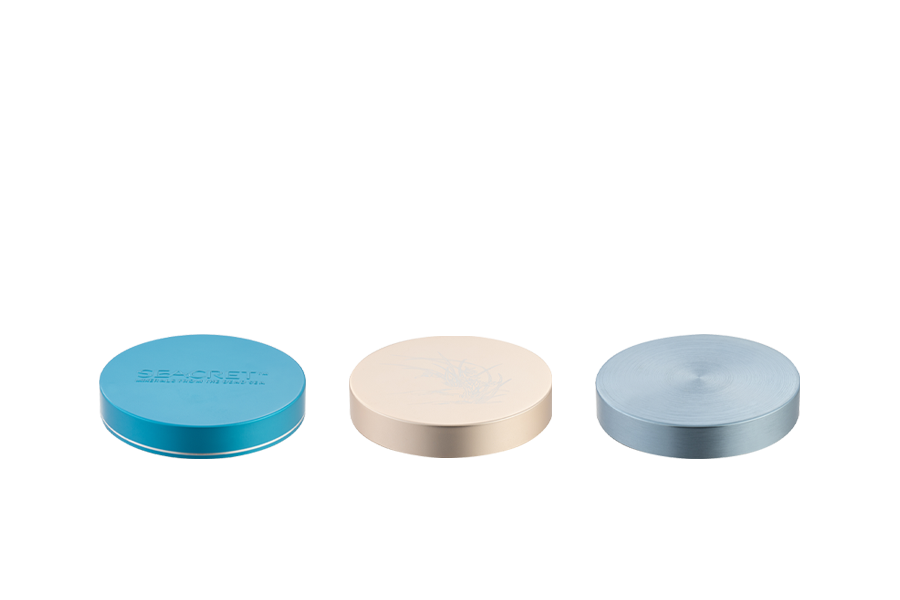
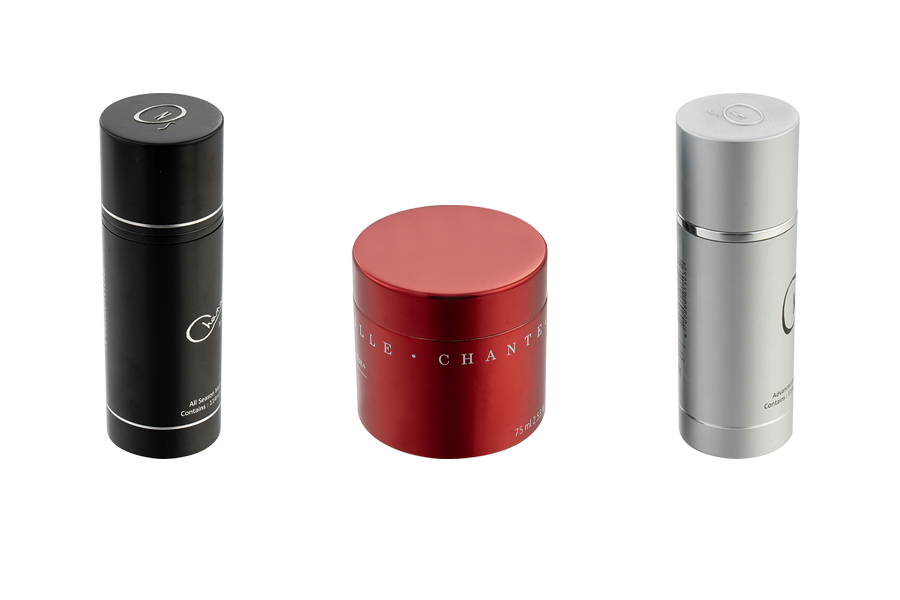
- Anodization color range: The anodization process allows a wide spectrum of colors — gold, rose gold, silver, black, blue, red, and custom shades — to be incorporated directly into the oxide layer rather than applied as surface paint. These colors are UV-stable, scratch-resistant, and maintain their appearance over the product's shelf life.
- Embossing and debossing: Aluminum's ductility allows logo marks, patterns, and text to be embossed or debossed directly into the container body — creating three-dimensional branding elements that cannot be achieved with plastic at the same cost.
- Silk-screen and hot-stamp printing: High-resolution graphics, metallic foil logos, and fine-detail text can be applied to anodized aluminum surfaces with excellent adhesion and durability.
- Custom marking to specification: Personalized designs, custom markings, and unique identity elements can be integrated into the manufacturing process, improving product recognition and supporting brand novelty.
Plastic's Aesthetic Capabilities
Plastic jars offer their own distinct aesthetic advantages, particularly relevant for certain market segments:
- Transparency: Clear acrylic and PET jars allow the product itself to be visible — an advantage for products with attractive colors or textures (tinted creams, pearlescent lotions) where showing the formulation reinforces the purchase decision.
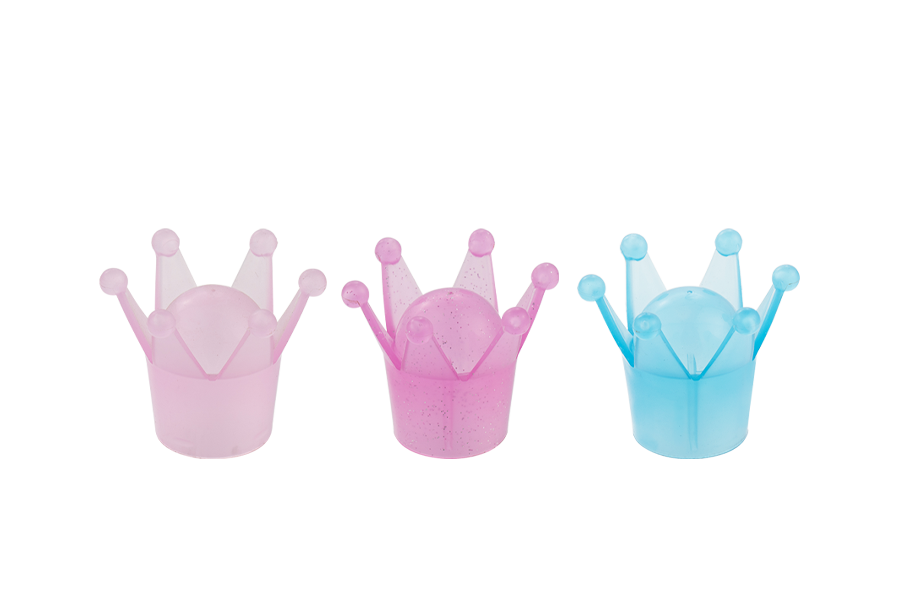
- Complex geometry: Injection molding can produce shapes, curves, and integrated design features (finger indentations, stacking feet, integrated labels) that are impractical in aluminum at comparable cost.
- In-mold labeling: Labels can be integrated into the molding process for a flush, built-in appearance that is more durable than applied labels.
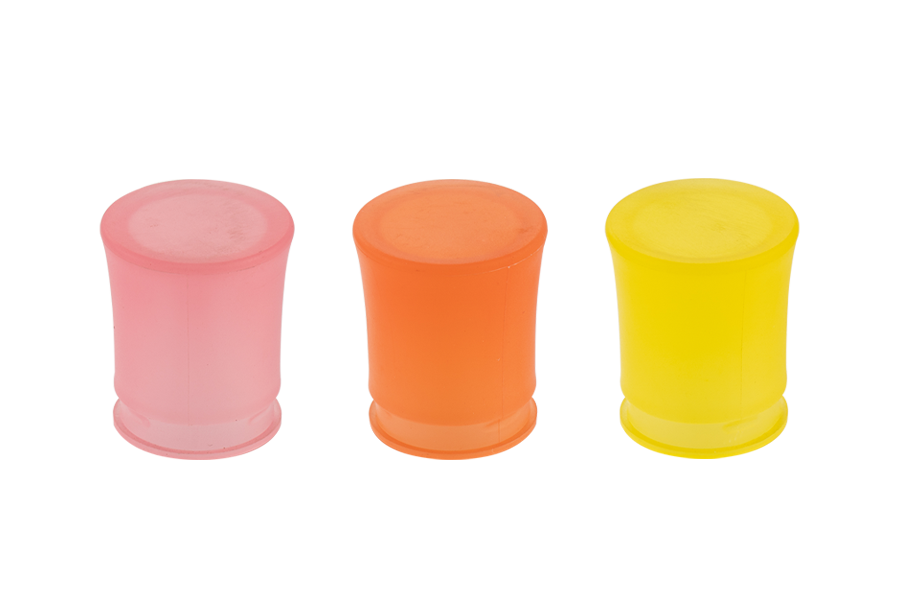
- Soft-touch finishes: Rubber-coated plastic jars provide a premium tactile experience at a cost lower than metal alternatives.
Plastic, however, cannot authentically replicate the metallic character of aluminum — metallic-finish plastic coatings (vacuum metallization, chrome plating) approximate the look but not the feel, weight, or tactile temperature response of genuine metal.
Durability, Deformation Resistance, and Drop Performance
Packaging must survive not only storage and transport but also the everyday handling of end consumers, which includes dropping, squeezing, stacking, and carrying in bags.
Aluminum Durability Characteristics
Aluminum is not easily deformed under normal handling forces due to its combination of tensile strength (approximately 70–150 MPa for cosmetic-grade alloys in thin-wall form) and ductility. Unlike glass, aluminum does not shatter on impact — it may dent, but it retains its structural integrity and sealing capability even after dropping from counter height onto a hard floor. This makes aluminum preferable to glass in bathroom environments where hard floor surfaces and wet conditions make dropping more likely.
Aluminum jars are also highly resistant to crushing under stacking loads in warehouse storage, meaning they maintain their shape and label presentation throughout the supply chain without requiring protective outer cartons as frequently as glass equivalents.
Plastic Durability Characteristics
Rigid plastic jars (PP, ABS, acrylic) are also shatter-resistant when dropped, though thin-walled designs can crack at seam lines or thread roots under impact. Flexible or semi-rigid plastic jars can be squeezed to dispense product, which aluminum cannot accommodate — a functional advantage for products where squeeze-dispensing is preferred by the consumer.
Over repeated exposure to UV light, some plastic resins yellow, become brittle, or develop surface crazing — particularly acrylic and standard PP. UV-stabilized resin grades mitigate this but add cost. Aluminum and its anodized surface treatment do not yellow or become brittle from UV exposure, maintaining appearance throughout the product's life.
Sustainability and Environmental Impact
Environmental sustainability has become a significant factor in packaging decisions, driven by both regulatory pressure and evolving consumer expectations. The sustainability comparison between aluminum and plastic packaging is nuanced and depends on which life-cycle stage is evaluated.
Aluminum Recycling and Circular Economy Performance
Aluminum is one of the most recyclable materials available — aluminum can be recycled indefinitely without loss of material properties, unlike most plastics that degrade in quality with each recycling cycle. Recycling aluminum requires only approximately 5% of the energy needed to produce primary aluminum from bauxite ore, making each recycling cycle a massive energy recovery opportunity.
Globally, aluminum packaging has a recycling rate of approximately 60–70% in developed markets — significantly higher than most plastic packaging categories. In the European Union, aluminum packaging recycling rates exceed 76%. Each kilogram of recycled aluminum saves approximately 8 kg of CO₂ equivalent compared to primary aluminum production.
The use of recyclable materials in aluminum emulsion jars directly aligns with green environmental protection concepts and sustainability commitments that are increasingly demanded by retailers, B2B buyers, and end consumers. ESG-driven procurement policies at major cosmetics retailers increasingly favor packaging with demonstrated end-of-life recyclability.
Plastic Sustainability Challenges
Plastic packaging sustainability performance is significantly more complex. While plastic jar production typically has a lower carbon footprint per unit than aluminum at the manufacturing stage (due to aluminum smelting's high energy intensity), the end-of-life performance of plastic is considerably worse:
- Global plastic packaging recycling rates remain below 20%, with the vast majority of plastic packaging going to landfill or incineration.
- Multi-material plastic jars (ABS outer body with PP inner liner, for example) are particularly difficult to recycle because separating the materials is rarely economically viable at municipal recycling scale.
- Plastic does not biodegrade but fragments into microplastics that accumulate in ecosystems — a long-term environmental liability that aluminum does not share.
- Regulatory trends globally — including the EU Single-Use Plastics Directive, UK Plastic Packaging Tax, and similar measures in multiple markets — are increasing the cost and compliance burden of plastic packaging over time.
The growing regulatory and consumer sustainability pressure makes aluminum emulsion jars an increasingly defensible long-term packaging investment, even where the unit cost is higher than plastic equivalents.
Weight, Logistics, and Portability
For products sold through e-commerce or travel retail, packaging weight has a direct effect on shipping costs, carbon footprint of distribution, and consumer convenience.
Aluminum's density (2.7 g/cm³) is about twice that of common plastic resins (PP: 0.9 g/cm³; PET: 1.35 g/cm³), meaning an aluminum jar of the same volume weighs approximately twice as much as a plastic equivalent of the same wall thickness. In practice, aluminum jars can be produced with very thin walls due to the material's stiffness, partially offsetting this disadvantage — but a typical 30 mL aluminum emulsion jar will still weigh 15–25 grams empty compared to 8–15 grams for a comparable PP jar.
For travel-format products (15 mL or smaller), this weight difference is felt by consumers. For standard retail sizes (30–100 mL), the weight difference is typically imperceptible in use and may even be perceived positively as an indicator of quality. In high-volume e-commerce fulfillment where shipping cost is calculated by dimensional weight, even small packaging weight reductions per unit can have meaningful aggregate cost impacts — a consideration that slightly favors plastic at very high e-commerce volumes.
Cost Comparison: Unit Cost, Tooling, and Total Cost of Ownership
Cost is consistently among the top three decision factors in packaging selection, and the cost comparison between aluminum and plastic emulsion jars is more nuanced than a simple unit-price comparison suggests.
| Cost Factor | Aluminum Emulsion Jar | Plastic Emulsion Jar |
|---|---|---|
| Unit cost (30 mL, standard volume) | $0.40–$1.50 USD | $0.10–$0.60 USD |
| Tooling / mold cost | Lower (extrusion tooling) | Higher ($5,000–$50,000 per mold) |
| Minimum order quantity (MOQ) | 500–5,000 units (typical) | 1,000–10,000 units (typical) |
| Decoration / printing cost | Moderate (anodizing, screen print) | Low to moderate (label, IML) |
| Shipping cost per unit | Slightly higher (heavier) | Lower (lighter weight) |
| Breakage / damage rate in transit | Very low | Low to moderate |
| Recyclability value recovery | High (aluminum scrap value) | Low (most plastic not recovered) |
| Regulatory compliance cost trend | Stable or improving | Increasing (plastic taxes, bans) |
At standard retail volumes, plastic jars cost 30–70% less per unit than aluminum equivalents of the same size and decoration level. However, for premium products where retail price points are $30–$200+ per unit, the packaging material cost differential represents a very small fraction of product margin — and the aluminum jar's contribution to perceived value and brand positioning can justify a retail price premium that more than covers the packaging cost difference.
Comprehensive Side-by-Side Comparison
The table below provides a consolidated reference covering all major evaluation dimensions for aluminum versus plastic emulsion jars:
| Evaluation Dimension | Aluminum Emulsion Jar | Plastic Emulsion Jar |
|---|---|---|
| Oxygen barrier | Complete (OTR ≈ 0) | Partial (OTR 50–3,000 mL/m²/day) |
| Light barrier | 100% opaque | Variable (transparent to opaque) |
| Heat resistance | Excellent (stable to 660°C) | Moderate (70–120°C deflection) |
| Chemical migration risk | Very low (lacquer-lined) | Low to moderate (resin-dependent) |
| Deformation resistance | High (does not deform easily) | Moderate to high (resin-dependent) |
| Premium brand perception | Very high | Low to moderate |
| Transparency / product visibility | None | Full range (clear to opaque) |
| Recyclability | Excellent (infinitely recyclable) | Poor to moderate (<20% global rate) |
| Unit cost | Higher ($0.40–$1.50) | Lower ($0.10–$0.60) |
| Weight per unit | Heavier (15–25 g empty) | Lighter (8–15 g empty) |
| Design customization | High (emboss, anodize, print) | Very high (molded geometry, color) |
| Best suited for | Premium, sensitive actives, sustainability-focused | Mass market, transparent display, cost-sensitive |
Which Applications Should Use Aluminum, and Which Should Use Plastic
Based on the comprehensive comparison above, the following guidance identifies the optimal packaging choice for specific emulsion product types and market contexts:
Choose Aluminum Emulsion Jars When:
- The formulation contains oxidation-sensitive actives such as vitamin C, retinol, niacinamide at high concentrations, or unstabilized botanical extracts.
- The product is positioned at the premium or luxury tier where packaging material communicates quality at point of sale and justifies retail price points above $30 per unit.
- The brand has a sustainability commitment or is targeting environmentally conscious consumers who actively consider packaging recyclability in their purchase decisions.
- The product will be distributed through markets or channels with hot or variable-temperature supply chains where plastic deformation or chemical migration at elevated temperatures is a concern.
- A distinctive metallic aesthetic, embossed branding, or anodized color customization is a core element of the brand visual identity.
Choose Plastic Emulsion Jars When:
- The formulation contains no oxidation-sensitive actives and is inherently stable across a wide range of storage conditions.
- The product is targeted at mass-market retail where competitive unit pricing at shelf is essential for commercial viability.
- The formulation has a distinctive color, texture, or visual quality that benefits from being visible through a transparent or semi-transparent jar.
- The product requires squeeze-dispensing or flexible container functionality that a rigid aluminum jar cannot provide.
- The brand is in early development stages where minimizing tooling investment and maintaining packaging flexibility for future reformulation is a priority over premium presentation.
Final Verdict: Match the Jar to the Product Strategy
Aluminum emulsion jars are objectively superior in barrier performance, heat resistance, sustainability credentials, premium brand communication, and long-term regulatory risk profile. For any emulsion product with active ingredients requiring protection from oxygen or light, and for any brand competing in the premium tier of the skincare market, aluminum is the packaging material that delivers the most complete combination of functional and marketing advantages.
Plastic emulsion jars remain the practical choice for cost-sensitive formulations, transparent display requirements, high-volume mass-market products, and applications where squeeze flexibility or very light weight are functional requirements.
The most important principle in making this decision is to evaluate the packaging choice in the context of the complete product: the formulation's stability requirements, the brand's positioning and price point, the target consumer's values and perceptions, and the distribution and regulatory environment. When these factors are clearly defined, the choice between aluminum and plastic emulsion jars follows logically from the requirements rather than from abstract material preference.



 +86-13967526770 / +86-0575-82393566
 +86-0575-82393568
 Weiqi Road, Hangzhou Bay Economic and Technological Development Zone, Shangyu District, Shaoxing City, Zhejiang Province, China