


 En
En  简体中文
简体中文 English
Aluminum spray bottles are better than plastic spray bottles for applications that require UV protection, oxidation resistance, long service life, premium aesthetics, and environmental sustainability — while plastic spray bottles are better when the priority is low cost, chemical transparency (seeing the contents), compatibility with a very wide range of chemicals without a liner, or lightweight portability for disposable-format products. Neither material is universally superior; the better choice depends entirely on what the bottle will contain, how long it needs to last, what the end user expects from the product experience, and what the environmental and cost constraints of the application are.
For most cosmetic, fragrance, and premium personal care applications, aluminum wins on nearly every functional and commercial criterion that matters. For high-volume, low-cost, disposable household spray products where price per unit is the dominant buying criterion, plastic remains the practical choice. The detailed comparison that follows breaks down each decision criterion so you can determine which material is genuinely better for your specific use case.
Content
- 1 Product Protection: Aluminum Wins for Sensitive Formulas
- 2 Durability and Service Life: Aluminum Lasts Significantly Longer
- 3 Aesthetic and Brand Value: Aluminum Creates a Premium Experience
- 4 Environmental Impact: Aluminum Has a Significantly Better Lifecycle Profile
- 5 Cost Comparison: Plastic Has a Lower Entry Price, Aluminum a Lower Total Cost
- 6 Chemical Compatibility: A Critical Technical Difference
- 7 Spray Performance: Both Can Deliver Fine Mist With the Right Pump
- 8 Head-to-Head Comparison Table: Aluminum vs. Plastic Spray Bottles
- 9 Which Situations Clearly Call for Aluminum and Which for Plastic
- 10 The Aluminum-Plastic Hybrid: Getting the Best of Both Materials
Product Protection: Aluminum Wins for Sensitive Formulas
The single most important functional difference between aluminum and plastic spray bottles is how each material protects the contents from degradation over time. This matters enormously for products whose active ingredients, fragrances, or color are sensitive to light or oxygen — and relatively little for products whose stability is insensitive to these factors.
UV and Light Protection
Aluminum provides complete, total light exclusion across all wavelengths — including UV-A, UV-B, and visible light. No photon reaches the contents regardless of the bottle's exposure to sunlight, artificial lighting, or UV sources. This is achieved without any additional treatment or tinting of the material — it is an inherent property of the opaque metal structure.
Standard clear or translucent plastic spray bottles offer essentially no light protection — the contents are fully exposed to all wavelengths that pass through the plastic wall. Even opaque or pigmented plastic bottles offer only partial UV protection because the UV transmission through a colored plastic wall is never zero, and plastic pigments can themselves degrade and fade under UV exposure, creating a progressively less protective container as the product ages. For products containing vitamin C (ascorbic acid), retinol, certain peptides, antioxidant plant extracts, and essential oils, light-induced degradation in a clear plastic bottle can reduce active ingredient potency by 30 to 60% within 4 to 8 weeks of normal retail shelf or bathroom counter exposure — a quality failure that the consumer experiences as a product that "stopped working."
Oxygen Barrier and Oxidation Prevention
Aluminum is essentially impermeable to oxygen gas — the oxygen transmission rate (OTR) through an aluminum wall is effectively zero under normal conditions. Plastic, by contrast, is a polymer with a molecular structure that allows small gas molecules including oxygen to dissolve into and diffuse through the material over time. The OTR of common packaging plastics ranges from approximately 0.1 to 5 cm³/(m²·day·bar) for PET and HDPE — low, but not zero. Over weeks and months of storage, this cumulative oxygen ingress oxidizes sensitive active ingredients, causing color changes, off-odors, loss of potency, and shortened product shelf life.
For oxidation-sensitive products — vitamin C serums, retinol formulations, fragrance compositions, essential oil blends, and certain hair care actives — the difference in shelf life between aluminum and plastic packaging is measurable and commercially significant. Products formulated to deliver 12 months of efficacy in aluminum packaging may deliver only 6 to 9 months of equivalent efficacy in standard plastic, requiring either higher initial active ingredient loading (adding cost) or acceptance of reduced consumer results late in the product's use period.
When Protection Differences Are Irrelevant
It is important to be precise: for products whose formulas are not sensitive to light or oxygen — water-based cleaning solutions, salt-based saline sprays, many glass cleaners, and other simple aqueous formulations — the protection advantages of aluminum over plastic are largely irrelevant. Choosing aluminum for these products adds cost without adding functional benefit. The protection argument for aluminum applies specifically to formulas with photo-sensitive or oxidation-sensitive active ingredients.
Durability and Service Life: Aluminum Lasts Significantly Longer
The service life of a spray bottle is determined by how long it maintains its structural integrity, sealing performance, and functional spray mechanism under the conditions of normal use and storage. Aluminum and plastic differ substantially in how they age under real-world conditions.
UV Degradation of Plastic
Plastic polymers absorb UV radiation, and this absorption causes photo-oxidative chain scission — breaking the long polymer chains into shorter fragments. The visible consequence is surface chalking, yellowing or discoloration, surface cracking, and eventually embrittlement where the plastic becomes structurally weak and prone to fracture. For spray bottles kept on bathroom counters, window sills, or in outdoor use environments, this UV degradation typically makes plastic bottles visually and functionally inadequate within 1 to 3 years. Aluminum does not undergo UV-induced degradation — the aluminum oxide surface layer that forms naturally on aluminum actually becomes more protective with age, and the metal beneath remains structurally unchanged by UV exposure for decades.
Deformation and Structural Rigidity
Aluminum maintains its shape under compression, impact, and moderate heat exposure in ways that thin-walled plastic bottles do not. A plastic spray bottle squeezed, dropped, or left in a hot car will deform, dent, or soften — potentially affecting the pump mechanism alignment, the cap seal, or the container volume. Aluminum spray bottles resist deformation and maintain their original shape and dimensions throughout their service life, ensuring that the pump mechanism continues to engage correctly, the cap seals consistently, and the bottle presents the same appearance from first use to last.
Long-Term Sealing Performance
The rigidity of aluminum ensures that the bottle neck and closure threading maintain their dimensional precision throughout the product's life, allowing the cap to seal as reliably on the hundredth closing as on the first. Plastic neck threads can deform over repeated use and from chemical exposure, progressively degrading the seal quality and eventually leading to leakage. For products stored in luggage, gym bags, or other environments where leak prevention is critical, aluminum's dimensional stability provides a meaningful practical advantage. A well-manufactured aluminum spray bottle with quality seals can provide 5 to 10 years of reliable service, compared to 1 to 3 years for a standard plastic spray bottle before UV degradation, deformation, or mechanical failure necessitates replacement.
Aesthetic and Brand Value: Aluminum Creates a Premium Experience
In the cosmetics, fragrance, and personal care markets — where the consumer's emotional and sensory experience of the packaging is as commercially important as its functional performance — aluminum and plastic spray bottles are not comparable. Aluminum consistently delivers the tactile, visual, and acoustic signals that consumers associate with quality, value, and luxury.
Tactile and Sensory Premium
The weight of aluminum in the hand — even in relatively small bottle formats — conveys substance and quality in a way that lightweight plastic cannot. The cool, smooth metallic surface of an anodized or polished aluminum bottle provides a tactile experience that aligns with premium pricing and premium brand positioning. The sound of a metal closure engaging differs from plastic — a precise, solid click versus the softer sound of a plastic cap — and these micro-sensory details accumulate into the overall quality perception that drives consumer satisfaction, repeat purchase, and willingness to pay a price premium.
Surface Treatment and Decoration Capabilities
Aluminum accepts a range of surface treatments that are either impossible or significantly inferior when applied to plastic. Anodizing creates a hard, integral color layer that cannot peel, chip, or fade — the color is the surface itself, not a coating applied on top of it. Embossing and debossing create permanent three-dimensional brand marks and decorative patterns directly in the metal wall. Hot stamping with metallic foils produces effects that are technically achievable on plastic but never with the same depth and precision as on metal. These decoration options allow cosmetic and personal care brands to create packaging that is genuinely distinctive and resistant to wear, maintaining its visual appeal throughout the product's shelf and use life in a way that printed or labeled plastic bottles cannot.
Color Range and Consistency
Anodized aluminum can be produced in a very wide range of vivid, precise colors — from classic silver and champagne gold through deep blues, greens, reds, and blacks — with excellent batch-to-batch color consistency and long-term color stability. Plastic bottles are colored by mixing pigments into the polymer, which produces acceptable but less vivid colors with greater risk of batch variation and progressive UV fading. For brands building a coherent visual identity where packaging color is an important recognition signal, aluminum's color consistency and stability provides a tangible competitive advantage.
Environmental Impact: Aluminum Has a Significantly Better Lifecycle Profile
Environmental performance is an increasingly important factor in packaging decisions — both because of consumer and regulatory pressure to reduce plastic waste and because brands are making formal commitments to reduce the environmental footprint of their packaging portfolios.
Recyclability
Aluminum is one of the most recyclable materials in global use. It can be recycled indefinitely — infinitely, in principle — without any loss of material properties. The same aluminum atoms can be recovered and reused in new products of equal quality and value, unlike plastic which is downcycled with each recycling cycle (PET bottle to PET fiber to landfill, for example) and eventually becomes waste. Recycling aluminum requires only approximately 5% of the energy needed to produce primary aluminum from bauxite ore — a 95% energy saving that makes aluminum recycling one of the highest-value material recovery processes available. In practice, aluminum packaging has higher collection and recycling rates in most markets than plastic packaging, reflecting both the economic incentive to recover the material and the more established infrastructure for aluminum recycling.
Refillability and Extended Use
The durability of aluminum spray bottles enables a refill-and-reuse model that is not practical for most single-use plastic spray bottles. A single aluminum spray bottle refilled ten times over its service life displaces the manufacture, distribution, and disposal of nine additional plastic bottles. Several cosmetics and household product companies now offer refill pouches or refill concentrates specifically designed for their aluminum spray bottle formats, building a circular business model around the container's longevity. This approach can reduce the packaging material footprint of a product by 70 to 80% over the bottle's full service life compared to single-use plastic.
Plastic's Environmental Disadvantages
Plastic spray bottles present several well-documented environmental concerns beyond their limited recyclability. Plasticizer migration — the leaching of phthalates and other chemical additives from the plastic matrix into the product contents and environment — is a concern for products in prolonged contact with food, personal care formulas, and aquatic environments. Microplastic generation from UV-degraded plastic surfaces contributes to the growing microplastic burden in soil and water ecosystems. End-of-life plastic that is not recycled — the majority, globally — either enters landfill where it persists for hundreds of years or is incinerated with associated combustion emissions. None of these issues apply to aluminum.
Cost Comparison: Plastic Has a Lower Entry Price, Aluminum a Lower Total Cost
Cost comparison between aluminum and plastic spray bottles is more nuanced than a simple per-unit price comparison, because the two materials have fundamentally different lifecycle cost profiles that reverse the cost advantage of plastic when viewed over the full useful life of the container.
Initial Purchase Price
Aluminum spray bottles are more expensive than equivalent plastic spray bottles at the point of initial purchase. For a standard 100 ml spray bottle in minimum commercial order quantities, aluminum typically costs 2 to 4 times more per unit than comparable plastic. This cost premium reflects the higher material cost of aluminum relative to PET or HDPE, the more complex manufacturing process (deep drawing, spinning, or impact extrusion versus blow molding), and the cost of surface treatments such as anodizing or powder coating that are standard for cosmetic aluminum packaging but not required for basic plastic bottles.
Total Cost of Ownership Over Service Life
When cost is assessed over the full service life of the bottle rather than at the point of purchase, the picture changes significantly. A plastic spray bottle replaced every 2 years over a 10-year period requires 5 replacement units. An aluminum spray bottle lasting the same 10 years requires only 1 unit — or potentially 2 if heavy use accelerates wear. At a purchase price ratio of 3:1 (aluminum to plastic), the 10-year cost of the aluminum bottle is still lower than or equal to the 10-year cost of 5 plastic replacements. For refillable aluminum bottles in personal use (cosmetics, household cleaning, sports and travel), the total cost advantage of aluminum over its service life is clear.
When Plastic's Lower Unit Cost Is the Correct Choice
For disposable or single-use spray products — travel-size hotel amenities, promotional giveaway sprays, single-use sanitation products — the service life argument for aluminum does not apply. These products are used once or a few times and discarded; the total cost equals the purchase price. In this specific market segment, plastic's lower unit cost is a genuine and appropriate advantage that aluminum cannot match.
Chemical Compatibility: A Critical Technical Difference
Chemical compatibility between the bottle material and the product contents is a safety-critical consideration that is often overlooked in discussions focused on aesthetics or cost. Both aluminum and plastic have specific compatibility profiles that determine which products they can safely contain, and understanding these profiles is essential for correct material selection.
Aluminum Compatibility Requirements
Bare aluminum is reactive with strong acids (pH below approximately 4), strong alkalis (pH above approximately 9), and high-concentration salt solutions. Products in these categories — including high-pH alkaline cleaning concentrates, acidic vitamin C serums at low pH, and certain fermentation products — must not be in direct contact with the bare aluminum wall. This is addressed in modern aluminum-plastic spray bottles through the use of a plastic inner liner (typically food-grade polyethylene or polypropylene) that provides a chemically inert barrier between the product and the aluminum shell. The liner protects the aluminum from chemical attack while the aluminum outer shell continues to provide UV protection, structural rigidity, and aesthetic finish. When selecting an aluminum spray bottle, always confirm that the inner liner material is compatible with the specific product formulation — the liner specification, not the outer aluminum shell, determines the chemical compatibility of the bottle.
Plastic Compatibility Profile
High-density polyethylene (HDPE) and polypropylene (PP), the most common materials for spray bottle bodies, are chemically resistant to a very wide range of substances including most acids, alkalis, alcohols, and aqueous solutions. However, plastic is not universally compatible — aromatic solvents (toluene, xylene), chlorinated solvents, concentrated oxidizing agents, and some essential oils attack and swell certain plastics. High-concentration alcohol solutions (above 70%) cause permeation and weight loss through plastic walls over extended storage, reducing the concentration of the product without any visible sign of degradation in the container.
Additionally, plastic can leach plasticizer chemicals into the product contents, particularly when the product is an oil, alcohol, or other organic solvent that dissolves the plasticizer from the polymer matrix. Phthalate plasticizers in flexible PVC bottles and certain additives in other plastic formulations have been classified as endocrine disruptors by regulatory authorities, and their migration into cosmetics and food products is regulated under EU Cosmetics Regulation, FDA food contact regulations, and other frameworks. Aluminum with a chemically inert inner liner has no equivalent leaching concern.
Spray Performance: Both Can Deliver Fine Mist With the Right Pump
The spray performance of a bottle — the fineness, uniformity, and consistency of the mist produced — is primarily determined by the pump mechanism rather than the bottle material. Both aluminum and plastic bottles can be fitted with the same range of pump and nozzle systems, from coarse stream nozzles to ultra-fine atomizer pumps producing droplets below 50 microns. The bottle material itself does not determine spray quality.
However, there is one indirect way that the bottle material affects spray performance over time: bottle deformation under hand pressure. Many plastic spray bottles are designed with flexible walls that allow hand-squeezing to supplement or replace the pump action. Aluminum bottles cannot be squeezed and rely entirely on the pump mechanism for product delivery. For products where squeeze-to-dispense is part of the intended use pattern, plastic is the necessary choice. For products where only pump-driven spray is required, aluminum's rigid walls provide a stable, consistent dispensing pressure that does not vary with hand position or grip strength.
The rigidity of the aluminum bottle also ensures that the pump tube maintains its vertical position within the bottle throughout the product's life — flexible plastic bottles can deform under grip pressure in ways that displace the pump tube from its optimal position, causing irregular product uptake especially when the bottle is nearly empty.
Head-to-Head Comparison Table: Aluminum vs. Plastic Spray Bottles
The following table provides a direct comparison of aluminum and plastic spray bottles across all major evaluation criteria, with a clear indication of which material performs better in each area and the practical significance of the difference:
| Criterion | Aluminum | Plastic | Better Choice |
|---|---|---|---|
| UV / light protection | Total exclusion — 100% opaque | Poor to moderate (clear/pigmented) | Aluminum |
| Oxygen barrier / oxidation prevention | Excellent — near-zero OTR | Moderate — slow but non-zero OTR | Aluminum |
| Service life / durability | 5–10 years with normal use | 1–3 years before UV/mechanical failure | Aluminum |
| Resistance to deformation | Excellent — rigid, shape-stable | Moderate — deforms under heat and pressure | Aluminum |
| Initial unit cost | 2–4× more expensive than plastic | Low — cheapest spray bottle option | Plastic |
| Total lifecycle cost (refillable use) | Lower — one bottle for 5–10 years | Higher — multiple replacements needed | Aluminum |
| Premium aesthetic and brand value | Excellent — metallic, tactile, customizable | Poor to moderate — perceived as commodity | Aluminum |
| Surface decoration options | Anodizing, embossing, hot stamping, printing | Label, sleeve, direct printing | Aluminum |
| Recyclability | Excellent — infinitely recyclable, high recovery rate | Moderate — downcycled; lower recovery rates | Aluminum |
| Refillability and reuse | Excellent — designed for long-term reuse | Limited — UV degradation shortens reuse life | Aluminum |
| Chemical compatibility range | Good with liner; liner-dependent | Broad (HDPE/PP) without liner requirement | Plastic (HDPE) |
| Content visibility | None — opaque | Good (clear/translucent grades) | Plastic |
| Squeezability / flexible dispensing | Not possible — rigid | Available in flexible-wall designs | Plastic |
| Weight | Light (heavier than equivalent plastic) | Lightest option | Plastic (marginally) |
| Plasticizer leaching risk | None from aluminum shell | Risk with some plastic grades and products | Aluminum |
Which Situations Clearly Call for Aluminum and Which for Plastic
Based on the detailed comparison above, the following guidance summarizes the application scenarios where each material is clearly the better choice:
Choose Aluminum When:
- The product contains light-sensitive or oxidation-sensitive active ingredients — vitamin C, retinol, essential oils, natural extracts, or fragrance compositions.
- The packaging will be positioned at a premium or luxury price point where consumer perception of quality is commercially critical.
- The bottle will be used repeatedly and refilled — cosmetic mists, household sprays, travel bottles — where a 5-to-10-year service life justifies the higher initial cost.
- The product will be stored in locations with significant UV exposure — bathroom counters, window sills, outdoor use — where plastic would degrade rapidly.
- The brand requires distinctive, custom decoration — embossed logos, anodized color, hot-stamped accents — that cannot be replicated on plastic.
- Environmental and sustainability positioning is important to the brand or consumer, and packaging recyclability and refillability are key commitments.
- The product is alcohol-based at high concentrations (above 70%) where plastic permeation would reduce product concentration over time.
Choose Plastic When:
- The product is a stable aqueous formula with no light-sensitive or oxidation-sensitive components — household cleaning sprays, window cleaners, general-purpose sanitizers.
- The application is single-use or very short-term (travel amenities, promotional items, disposable spray products) where service life is irrelevant.
- The lowest possible per-unit packaging cost is the primary commercial requirement and quality positioning is at the value end of the market.
- The user needs to see the product level in the bottle — for clinical, laboratory, or professional settings where remaining volume visibility is operationally important.
- The product formulation has a pH or chemical composition that is incompatible with standard aluminum inner liners and would require a specialized liner at significantly added cost.
- The dispensing method requires a squeezable bottle body — certain types of wound irrigation, paint sprays, or craft applications where squeeze-to-spray is the design intent.
The Aluminum-Plastic Hybrid: Getting the Best of Both Materials
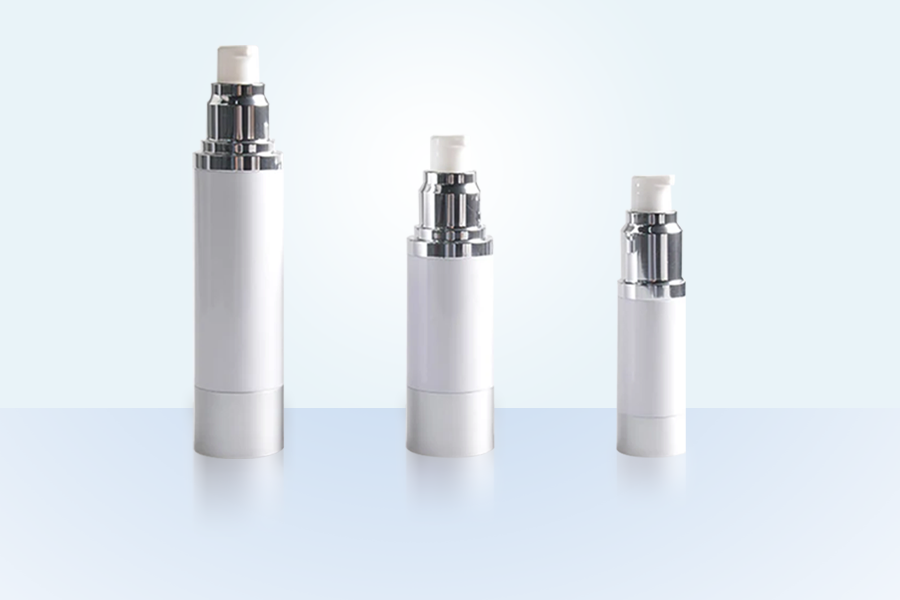
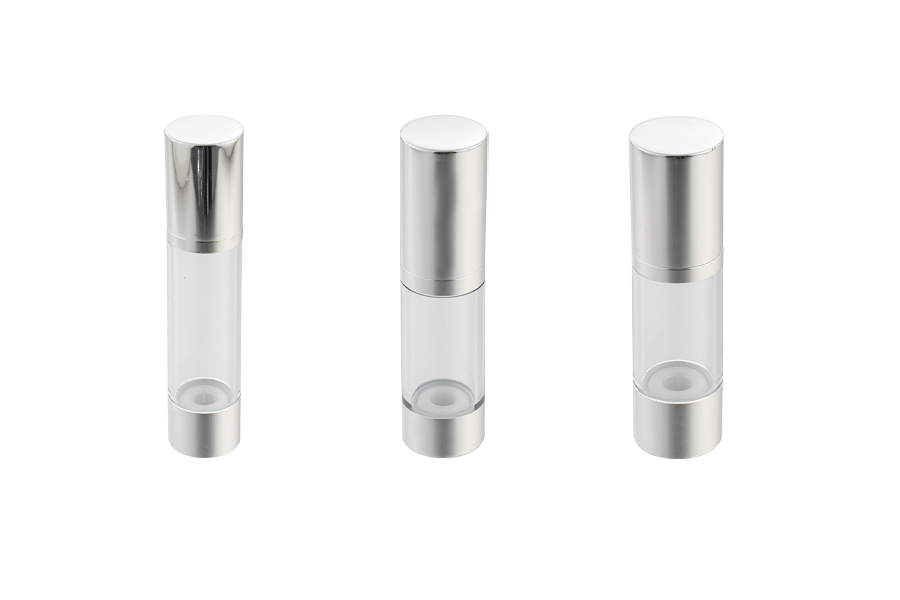
It is worth noting that the most commercially successful aluminum spray bottle designs in the cosmetics sector are not pure aluminum — they are aluminum-plastic composite constructions that deliberately combine the strengths of both materials. The inner body is a plastic liner (polyethylene or polypropylene) that provides broad chemical compatibility and prevents direct contact between the product and the aluminum. The outer shell is aluminum with surface oxidation treatment (anodizing) that provides UV protection, structural rigidity, thermal resistance, and the premium visual and tactile qualities of metal. The pump mechanism and cap involve both plastic and metal components for optimal function.
This hybrid construction resolves the main practical limitation of pure aluminum (reactive with many product chemistries) while retaining all of aluminum's protective and aesthetic advantages over pure plastic. For the cosmetics, personal care, and fragrance markets, the aluminum-plastic composite spray bottle is not a compromise — it is the engineered solution that delivers superior performance in all the dimensions that matter: product protection, container durability, brand presentation, and environmental responsibility. In these markets, comparing "aluminum vs. plastic" is increasingly a false choice — the best answer is a thoughtfully engineered combination of both.




 +86-13967526770 / +86-0575-82393566
 +86-0575-82393568
 Weiqi Road, Hangzhou Bay Economic and Technological Development Zone, Shangyu District, Shaoxing City, Zhejiang Province, China