


 En
En  简体中文
简体中文 English
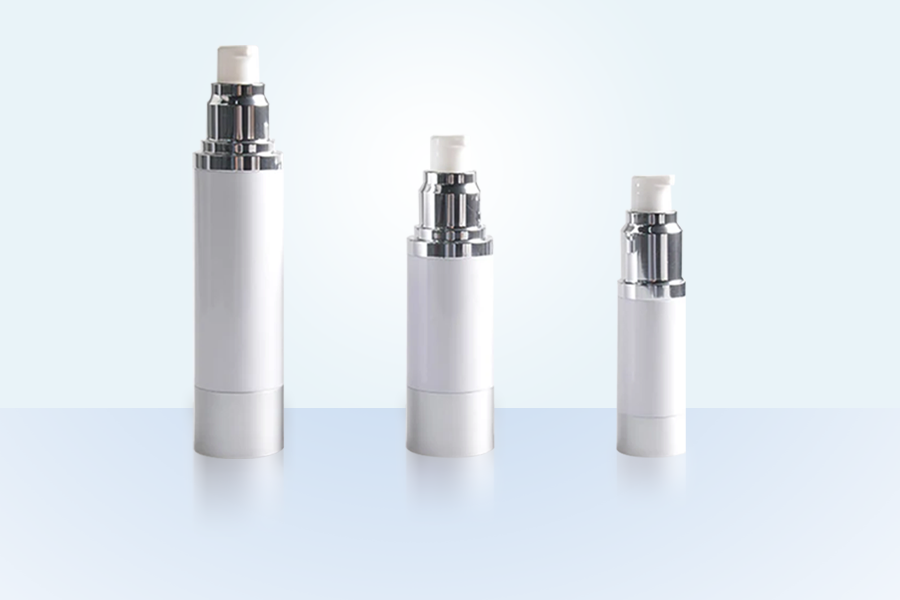
Aluminum spray bottles are significantly more durable than plastic spray bottles and, with proper care, can last for many years — often a decade or more in regular daily use. Their durability stems from the inherent properties of the aluminum alloy used in their construction: high resistance to impact deformation, natural corrosion resistance through a self-forming oxide layer, thermal stability across a wide temperature range, and the ability to maintain structural integrity through repeated pressurization and dispensing cycles. The inner liner of aluminum-plastic spray bottles is made from plastic, which protects the contents from direct metal contact while the outer aluminum shell provides structural strength and protection. For personal care, cosmetic, household, travel, and professional applications, aluminum spray bottles offer a durability profile that far exceeds most plastic alternatives while also delivering aesthetic and sustainability advantages.
Content
- 1 Structural Strength: Why Aluminum Resists Damage Better Than Plastic
- 2 Corrosion Resistance: The Natural Protective Oxide Layer
- 3 Thermal Stability: Performance Across Temperature Extremes
- 4 Sealing Performance and Leak Resistance Over Time
- 5 Surface Treatment Durability: Maintaining Appearance Over Years of Use
- 6 Durability Comparison: Aluminum vs. Plastic and Glass Spray Bottles
- 7 How Usage Patterns Affect Aluminum Spray Bottle Lifespan
- 8 UV Protection: Aluminum's Opaque Barrier Preserves Content Quality
- 9 Refillability and Long-Term Value
- 10 Practical Tips to Maximize Aluminum Spray Bottle Durability
- 11 Summary: Why Aluminum Spray Bottles Are the Most Durable Option
Structural Strength: Why Aluminum Resists Damage Better Than Plastic
The foundation of aluminum spray bottle durability lies in the mechanical properties of the aluminum alloy itself. Aluminum alloys used in spray bottle manufacturing — typically 1000-series or 3000-series alloys — combine low density with a favorable strength-to-weight ratio that gives bottles excellent impact resistance without making them excessively heavy.
Impact Resistance and Deformation Behavior
When an aluminum spray bottle is dropped or struck, it responds very differently from a plastic bottle. Rigid plastic bottles crack, shatter, or split at stress points — failures that render the bottle immediately unusable. Aluminum, by contrast, dents rather than cracks. A minor dent in an aluminum spray bottle does not compromise the structural integrity of the container, does not create leakage pathways, and does not expose the contents to contamination. The bottle remains fully functional after most accidental drops from typical counter or shelf heights (0.5 to 1.5 meters). This dent-rather-than-break behavior is a critical durability advantage in daily use environments like bathrooms, kitchens, and travel bags where bottles are frequently dropped or handled roughly.
Resistance to Permanent Deformation Under Normal Use
Unlike squeezable plastic bottles that can become permanently distorted from repeated squeezing, gripping, or stacking pressure, aluminum spray bottles maintain their original shape under normal handling forces. The aluminum shell resists deformation from the pressures applied during transport, stacking in storage, and daily handling. This dimensional stability also protects the spray mechanism and pump assembly from misalignment caused by bottle distortion — a common failure mode in plastic spray bottles that causes pumps to stop functioning correctly over time.
Wall Thickness and Manufacturing Quality
Aluminum spray bottles are typically produced by impact extrusion or deep drawing, processes that create a seamless, uniform wall with no weak points, weld lines, or injection molding gates that could become stress concentration sites for cracking. The wall thickness of a standard aluminum cosmetic spray bottle is typically 0.3 to 0.6 mm — thin enough to keep the bottle lightweight yet thick enough to provide robust structural protection for the contents. The seamless construction means there are no bond lines between pieces that could delaminate or separate under mechanical stress or chemical exposure.
Corrosion Resistance: The Natural Protective Oxide Layer
One of aluminum's most valuable durability properties is its natural resistance to corrosion — a property that operates through a self-repairing chemical mechanism requiring no external treatment or maintenance.
How the Aluminum Oxide Layer Works
When aluminum is exposed to oxygen — whether in air or in water — it spontaneously forms a thin, dense layer of aluminum oxide (Al₂O₃) on its surface. This natural passivation layer forms within milliseconds of exposure and is typically 2 to 10 nanometers thick in unenhanced aluminum. Although extremely thin, this layer is chemically stable, tightly bonded to the underlying aluminum, and an effective barrier against further oxidative corrosion. Critically, if the surface is scratched or abraded and the oxide layer is disrupted, a new protective layer immediately re-forms on the exposed aluminum surface. This self-healing capability distinguishes aluminum from iron-based metals, which continue to rust progressively once the protective layer is breached.
Anodizing: Engineered Enhancement of Corrosion Resistance
High-quality aluminum spray bottles undergo surface anodization — an electrochemical process that significantly thickens and densifies the natural aluminum oxide layer. Anodized aluminum bottles develop an oxide layer 5 to 25 micrometers thick (500 to 2,500 times thicker than the natural layer), producing dramatically enhanced corrosion resistance, improved surface hardness, and greater resistance to chemical attack from the bottle's contents and from external environmental factors. The anodized layer is also an integral part of the aluminum structure — not a coating that can peel or flake — making its protective properties permanent for the life of the bottle.
Resistance to Humidity and Moisture
Spray bottles used in bathrooms, near swimming pools, in humid outdoor environments, or for water-based product applications are exposed to sustained high humidity that would accelerate corrosion in non-corrosion-resistant materials. Aluminum spray bottles with anodized or lacquered exteriors maintain their structural integrity and appearance even after prolonged exposure to bathroom humidity, splash exposure, and condensation from temperature cycling. Unlike iron or steel containers, aluminum does not rust or stain surrounding surfaces when stored on wet bathroom shelves or counter tops.
Thermal Stability: Performance Across Temperature Extremes
Aluminum spray bottles demonstrate excellent durability across a wide range of temperatures that would degrade or destroy plastic spray bottles. This thermal stability is particularly important for bottles used in travel, outdoor storage, vehicle glove compartments, and professional applications.
Resistance to High Temperatures
Plastic spray bottles exposed to high temperatures — such as those stored in cars on hot summer days, near heat sources, or in direct sunlight in tropical climates — soften, warp, and may release chemical compounds from the plastic into the contents. Aluminum spray bottles are unaffected by temperatures encountered in normal use scenarios. The aluminum body remains dimensionally stable and chemically inert at temperatures well above those seen in vehicle interiors on hot days (up to 80°C or 176°F in extreme cases), preventing both physical deformation and contamination of the bottle's contents from heat-induced material degradation.
Resistance to Cold and Freezing Conditions
Many plastic bottles become brittle at low temperatures and can crack when dropped in cold environments. Aluminum maintains its ductility and impact resistance at sub-zero temperatures, making aluminum spray bottles suitable for use and storage in cold warehouses, during winter outdoor activities, and in cold-chain logistics environments. This cold-weather durability is particularly valuable for professional spray applications in outdoor or construction settings during winter months.
Heat-Resistant Surface Treatment for Cosmetic Applications
Aluminum spray bottles used for cosmetics, perfumes, and personal care products benefit from the heat resistance of the surface anodization or lacquer coating applied to the exterior. These treatments maintain their color, gloss, and adhesion even when the bottle is briefly exposed to heat sources — such as hair dryers, heated styling tools, or direct sunlight on a bathroom counter — that would cause plastic surface coatings or printed labels to peel, fade, or bubble.
Sealing Performance and Leak Resistance Over Time
A spray bottle's long-term durability depends not only on the structural integrity of the body but also on the sustained performance of its sealing system. Aluminum spray bottles are designed with strong sealing mechanisms that maintain their effectiveness through repeated open-close cycles and extended storage periods.
Rigid Shell Protects Seal Integrity
The rigid aluminum shell does not flex or distort under the internal pressure changes that occur during spray dispensing, temperature variation, and altitude changes during air travel. This dimensional stability is critical for maintaining consistent sealing performance: the pump or spray mechanism threads onto a stable, unchanged neck geometry throughout the bottle's life. In contrast, flexible plastic bottles can distort at the neck, causing progressive degradation of the seal between pump and bottle that leads to leakage over time.
Waterproof and Moisture-Proof Barrier
The aluminum shell provides an inherently waterproof and moisture-proof barrier for the bottle's contents. Unlike some plastic materials that are permeable to moisture vapor over time — leading to concentration changes or degradation of moisture-sensitive active ingredients — aluminum is completely impermeable to water and water vapor. This impermeability ensures that water-based formulations maintain their intended concentration throughout the product's shelf life, and that anhydrous formulations (oils, dry sprays, alcohols) remain free from moisture contamination that could compromise stability.
Inner Plastic Liner Compatibility
In aluminum-plastic spray bottles, the inner plastic liner serves a dual purpose: it prevents direct contact between the aluminum and chemically reactive formulations, and it contributes to the overall sealing system by providing a smooth, chemically compatible inner surface. The combination of the outer aluminum structural shell and the inner plastic liner creates a packaging system with better sealing and barrier properties than either material could provide alone, extending the effective shelf life and usability period of the contained product.
Surface Treatment Durability: Maintaining Appearance Over Years of Use
The long-term aesthetic durability of aluminum spray bottles is as important as their structural durability for consumer and professional applications where appearance reflects brand quality and product value. Aluminum's surface treatment options provide significantly more durable aesthetic finishes than those achievable on plastic bottles.
Anodized Color Finishes That Do Not Fade or Peel
When aluminum spray bottles are anodized and dyed, the colorant is absorbed into the pores of the thick aluminum oxide layer and sealed in place. Unlike paint or printed labels applied to the surface of plastic bottles — which fade under UV exposure, peel at edges, and scratch easily — anodized colors on aluminum are integrated into the material structure at a depth of several micrometers. This makes them highly resistant to abrasion, UV fading, chemical cleaning agents, and the repeated handling friction that causes printed labels and surface coatings on plastic bottles to deteriorate within months of purchase.
Lacquer and Coating Adhesion
For aluminum spray bottles finished with lacquer or UV-cured coatings, the excellent adhesion between the coating and the aluminum oxide surface — compared to the adhesion of the same coatings on plastic surfaces — produces a finish that resists chipping, peeling, and flaking significantly longer. The thermal expansion coefficient of aluminum is also more closely matched to that of most coating materials than plastic is, reducing the mechanical stress at the coating interface during temperature cycling that causes premature coating failure on plastic substrates.
Embossing and Engraving That Lasts Forever
Custom branding, logos, and product information can be applied to aluminum spray bottles by mechanical embossing or laser engraving directly into the aluminum surface. These marks are permanently integrated into the bottle structure and will not wear off, fade, or become illegible regardless of how many times the bottle is handled, washed, or refilled. This permanent marking capability makes aluminum spray bottles particularly valuable for professional, retail, and promotional applications where legibility of product information and brand identity must be maintained throughout the full product life.
Durability Comparison: Aluminum vs. Plastic and Glass Spray Bottles
Understanding the relative durability of aluminum spray bottles is most useful when evaluated against the two main alternatives: plastic (PET, HDPE, PP) and glass.
| Durability Factor | Aluminum | Plastic (PET / HDPE) | Glass |
|---|---|---|---|
| Impact resistance (drop) | Excellent (dents, does not break) | Moderate (cracks or splits) | Poor (shatters) |
| Corrosion resistance | Excellent (self-healing oxide layer) | Excellent (inert polymers) | Excellent (chemically inert) |
| UV / sunlight resistance | Excellent (opaque, blocks UV) | Poor to moderate (yellows, degrades) | Good (tinted glass blocks UV) |
| High temperature stability | Excellent (stable to 200°C+) | Poor (warps above 50–80°C) | Excellent |
| Cold temperature durability | Excellent | Moderate (brittle when cold) | Good (risk of thermal shock) |
| Surface finish longevity | Excellent (anodized colors, embossing) | Poor (labels peel, ink fades) | Good (etched or fired-on decoration) |
| Moisture / vapor barrier | Excellent (fully impermeable) | Moderate (some vapor permeability) | Excellent (fully impermeable) |
| Expected service life (typical use) | 5–15+ years | 1–3 years | 2–10 years (if unbroken) |
| Refillable / reusable | Yes (highly practical) | Possible but degrades faster | Yes |
How Usage Patterns Affect Aluminum Spray Bottle Lifespan
The actual service life of an aluminum spray bottle in use depends significantly on how it is used, what it contains, and how it is maintained. Understanding these factors allows users to maximize the lifespan of their bottles and make informed decisions about care and refilling practices.
Formulation Compatibility and Inner Liner Protection
Aluminum is generally compatible with a wide range of cosmetic, personal care, and household formulations when the inner surface is protected by a plastic liner or epoxy/lacquer coating. Highly acidic formulations (pH below 4), strongly alkaline solutions (pH above 9), and formulations containing halide salts (chlorides, fluorides) at high concentration can attack the aluminum oxide layer if the inner protective coating is compromised. For the vast majority of cosmetic, fragrance, hair care, and personal care applications, properly lined aluminum spray bottles offer excellent chemical compatibility with no risk of container degradation throughout the product's intended shelf life.
Cleaning and Maintenance Practices
Aluminum spray bottles are easy to clean and maintain in a way that extends their service life significantly. After emptying, bottles should be rinsed with warm water and allowed to dry completely before refilling, particularly when switching between different product types. Avoid using abrasive cleaning tools on the exterior surface, as these can scratch the anodized or lacquered finish and create sites for corrosion initiation. Mild dish soap and a soft cloth maintain the exterior finish without damaging the protective coating. The spray pump mechanism should be flushed periodically to prevent buildup of product residue that can block the pump or cause corrosion at the pump-to-bottle interface.
The Role of the Spray Pump in Overall Bottle Durability
In most aluminum spray bottle systems, the aluminum body itself will outlast the spray pump mechanism. The pump — typically made from plastic and metal components with rubber or silicone internal seals — is subject to wear from repeated actuation, chemical attack from formulation components, and calcium buildup from hard water in water-based products. Most spray pumps are rated for 50,000 to 150,000 actuation cycles, which translates to many years of daily use at typical dispensing frequencies. Importantly, the pump on an aluminum spray bottle is typically replaceable — allowing the durable aluminum body to continue in service with a new pump when the original one wears out, dramatically extending the overall useful life of the packaging system.
UV Protection: Aluminum's Opaque Barrier Preserves Content Quality
A durability factor that is often overlooked — but highly significant for the products stored in spray bottles — is the UV-blocking capability of the aluminum shell. Many cosmetic, pharmaceutical, and specialty chemical formulations degrade rapidly when exposed to ultraviolet radiation from sunlight or artificial lighting.
Aluminum is completely opaque to UV radiation. A transparent PET or glass spray bottle exposes its contents to UV light every time it is placed on a bathroom counter, displayed on a retail shelf, or left on a windowsill. UV-induced degradation can cause color changes, loss of active ingredient potency, rancidity in oil-based formulations, and generation of harmful degradation products. An aluminum spray bottle provides 100% UV exclusion, protecting the contents from light-induced degradation throughout the product's life and shelf period without requiring any additional UV-blocking additives in the formulation — a significant advantage that extends both the product's shelf life and the bottle's effective utility.
Refillability and Long-Term Value
One of the most practical expressions of aluminum spray bottle durability is their suitability for repeated refilling — a usage pattern that multiplies the value derived from a single bottle purchase and significantly reduces packaging waste over time.
- No degradation from repeated filling cycles: Unlike plastic bottles that become discolored, develop odor retention, and become structurally weakened after multiple fill-empty-refill cycles, aluminum bottles show no degradation from repeated refilling. The aluminum body remains chemically inert and structurally unchanged through dozens or hundreds of fill cycles.
- Compatible with concentrated refill products: The growing market for concentrated product refills — where consumers purchase a concentrated formula and dilute it into their existing spray bottle — is particularly well served by aluminum spray bottles, which can withstand repeated contact with higher-concentration formulations that might degrade less robust plastic containers over time.
- Long-term cost efficiency: An aluminum spray bottle that costs more to purchase initially but lasts 5 to 10 times longer than a plastic alternative represents substantially better long-term value, particularly for users who refill rather than discard and replace their spray bottles. The cost per use over the lifetime of an aluminum bottle is typically far lower than the equivalent cost for a succession of plastic bottles providing the same total service.
- Environmental sustainability of long service life: A single aluminum spray bottle used for 10 years replaces an estimated 10 to 20 plastic spray bottles that would otherwise be discarded. Combined with aluminum's 100% recyclability at end of life — with recycled aluminum requiring only approximately 5% of the energy of primary aluminum production — this creates a packaging system with a dramatically lower lifetime environmental footprint than single-use or short-life plastic alternatives.
Practical Tips to Maximize Aluminum Spray Bottle Durability
Aluminum spray bottles are inherently durable, but following a few simple care practices will ensure they reach the upper end of their potential service life and maintain their appearance and function throughout.
- Verify formulation compatibility before filling. Check that the product's pH falls within the recommended range (typically pH 4 to 9 for lined aluminum bottles) and that it does not contain high concentrations of chloride salts or other compounds that could attack the inner liner or aluminum substrate if the liner is compromised.
- Rinse and dry the bottle before switching formulations. Residual product from a previous fill can react with a new formulation, potentially causing chemical incompatibility issues or altering the pH environment inside the bottle.
- Clean the pump mechanism regularly. Flush the spray pump with warm water monthly to remove product residue that can harden and block the pump or cause corrosion at internal metal components. This is the most common maintenance point in aluminum spray bottle systems.
- Avoid using abrasive cleaners on the exterior. Maintain the anodized or lacquered exterior with a soft cloth and mild soap. Abrasive scrubbers can scratch through the protective coating and initiate surface corrosion under repeated exposure to moisture.
- Store upright when not in use. Storing spray bottles upright prevents prolonged contact between the formulation and the pump dip tube seal, which can cause premature seal degradation in some formulation types.
- Replace the pump when it shows wear rather than the whole bottle. When the spray mechanism begins to perform inconsistently — reduced output, irregular spray pattern, or increased actuation effort — replace only the pump. The aluminum body is almost certainly still in excellent condition and can continue in service with a new pump, extending the total system life significantly.
Summary: Why Aluminum Spray Bottles Are the Most Durable Option
Aluminum spray bottles are the most durable spray bottle option available for the vast majority of personal care, cosmetic, household, and professional applications. Their combination of impact-resistant structure that dents without breaking, self-healing corrosion protection, thermal stability from sub-zero to high temperatures, complete UV-blocking capability, fully impermeable moisture barrier, and anodized or lacquered surface finishes that resist fading and peeling for years creates a packaging system that comprehensively outperforms plastic alternatives on every durability dimension. With proper care and the simple maintenance practice of replacing the spray pump when needed rather than discarding the bottle, a quality aluminum spray bottle can provide reliable, attractive, and functional service for a decade or more — making it the most durable, most sustainable, and ultimately most cost-effective spray bottle choice available.



 +86-13967526770 / +86-0575-82393566
 +86-0575-82393568
 Weiqi Road, Hangzhou Bay Economic and Technological Development Zone, Shangyu District, Shaoxing City, Zhejiang Province, China