


 En
En  简体中文
简体中文 English
Tea aluminum cans serve a wide range of practical, commercial, and decorative purposes that extend well beyond simply holding tea leaves. Their primary use is preserving the freshness, aroma, and quality of tea through superior sealing and barrier properties, but they are equally valued for retail and gift packaging, corporate branding, multi-product storage, and sustainable packaging initiatives. The unique combination of lightweight construction, excellent corrosion resistance, hermetic sealing capability, and full customisability makes tea aluminum cans one of the most versatile packaging formats in the food, beverage, and gifting industries.
Content
- 1 Primary Use: Preserving Tea Freshness and Aroma
- 2 Retail Packaging: Elevating Tea from Commodity to Premium Product
- 3 Gift Packaging: Creating Memorable Tea Gifting Experiences
- 4 Corporate Branding and Promotional Use
- 5 Multi-Product Storage: Beyond Tea Leaves
- 6 Transport and Logistics: Reducing Costs Through Lightweight Construction
- 7 Sustainability and Recyclability: Aluminium as a Circular Packaging Material
- 8 Customisation Options: Tailoring Tea Aluminum Cans for Any Application
Primary Use: Preserving Tea Freshness and Aroma
The fundamental purpose of a tea aluminum can is to protect the tea leaves inside from the four main degradation factors: oxygen, moisture, light, and odour transfer. Each of these factors progressively reduces the flavour complexity, aroma intensity, and health-active compounds in tea leaves — making the quality of the packaging directly responsible for the quality of the tea when it is finally brewed.
Aluminum provides an exceptional barrier against all four degradation factors:
- Oxygen barrier: Aluminum has an oxygen transmission rate of effectively zero — it is a complete barrier to oxygen ingress. This prevents oxidative degradation of the tea's polyphenols, catechins, and volatile aromatic compounds, which is the primary cause of tea going "stale" in cardboard or plastic packaging.
- Moisture barrier: Aluminum is completely impermeable to water vapour. Moisture absorption causes tea leaves to clump, lose crispness, and develop off-flavours through fermentation. A well-sealed aluminum can maintains the original moisture content of the tea throughout its shelf life, regardless of ambient humidity conditions.
- Light barrier: Unlike glass or clear plastic, aluminum is opaque — it blocks 100% of visible light and UV radiation. UV exposure accelerates chlorophyll degradation in green teas, causing yellowing of the leaf and loss of the fresh, vegetal flavour characteristic of high-quality green teas such as Longjing or Gyokuro.
- Odour barrier: Aluminum prevents external odours from penetrating into the can and being absorbed by the tea. This is critical for teas stored near spices, coffee, or other strongly aromatic products — a situation that would rapidly contaminate tea in paper or thin plastic packaging.
Studies on tea shelf life show that green tea stored in a sealed aluminum container retains significantly higher levels of catechins, theanine, and aromatic esters after 12 months compared to the same tea stored in cardboard, kraft paper, or unsealed plastic. For premium tea products where flavour retention directly supports price positioning, this difference is commercially significant.
Retail Packaging: Elevating Tea from Commodity to Premium Product
In retail environments, the packaging is the first and often most influential element of the purchase decision. Tea aluminum cans serve a critical retail function by communicating quality, authenticity, and care — attributes that command higher price points and generate stronger consumer loyalty than commodity packaging.
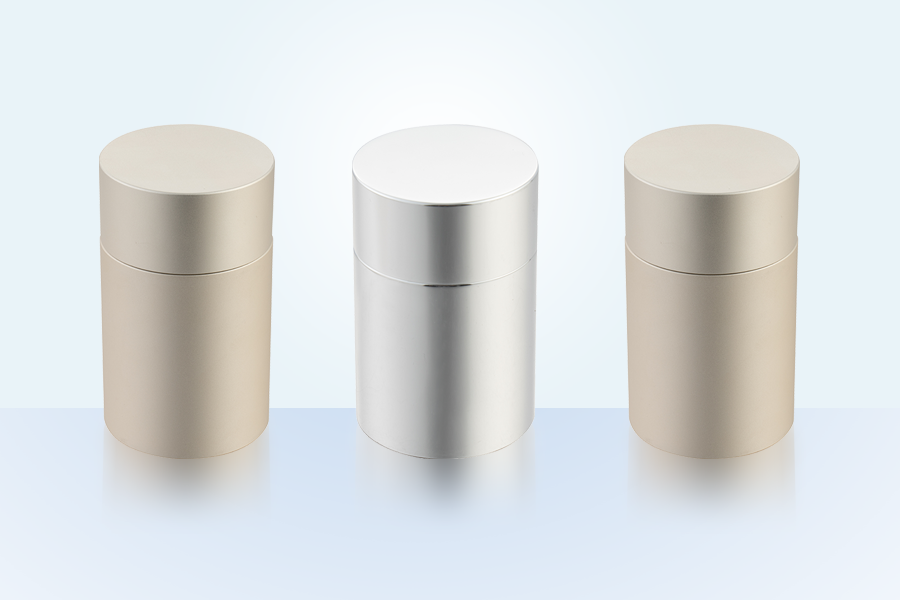
The visual and tactile qualities of an aluminum tea can — its smooth cylindrical form, satisfying weight, tight-fitting lid, and the subtle metallic sheen visible beneath printed graphics — create a consumer experience that cardboard or flexible packaging cannot replicate. This sensory dimension is part of the product experience and directly supports premium pricing strategies.
Retail-focused aluminum tea cans are designed with several key features:
- Full-wrap print area: The cylindrical surface provides 360° of uninterrupted print space for brand identity, product information, and decorative design — more contiguous space than most alternative packaging formats.
- Consistent shelf presence: Unlike flexible pouches or paper bags, aluminum cans maintain a fixed upright cylindrical form on shelf regardless of fill level — providing consistent brand presentation throughout the retail display period.
- Resealable lid: A friction-fit or screw-top aluminum lid allows consumers to reseal the can between uses, extending usability and reinforcing the perception of value in a reusable, quality container.
Gift Packaging: Creating Memorable Tea Gifting Experiences
Gift packaging represents one of the highest-value applications for tea aluminum cans. Tea is among the most gifted food and beverage products globally, and the packaging format plays a decisive role in whether a product is perceived as a genuine premium gift or a commodity item presented in a box.
Aluminum tea cans are ideally suited to gifting for several reasons:
- Intrinsic perceived value: The material weight, structural rigidity, and tactile quality of an aluminum can convey craftsmanship and attention to detail that immediately signals premium intent to the gift recipient.
- Personalisation and custom printing: Aluminum cans accept high-quality lithographic, screen, or digital printing processes that can reproduce photographic imagery, fine linework, gold and silver foil effects, and embossed textures. Custom designs can be created for festivals, seasonal occasions, corporate gifts, wedding favours, and luxury collection releases.
- Secondary use after the tea is consumed: A high-quality printed aluminum tea can is typically retained and reused by recipients for storing other items — jewellery, stationery, spices, small keepsakes — giving the brand continued visibility in the consumer's home long after the product is used.
- Gift set compatibility: Multiple aluminum cans of different sizes can be combined in a gift set presentation, with each can containing a different tea variety — creating a curated tasting experience that represents a more thoughtful and interactive gift than a single product.
Corporate Branding and Promotional Use
Tea aluminum cans are extensively used as corporate gifts, promotional merchandise, and brand experience tools by companies across industries. The combination of premium appearance, full customisability, and the universal appeal of tea as a gift makes branded aluminum cans an effective corporate marketing medium.
Corporate applications of customised tea aluminum cans include:
- Client and partner gifts: Personalised aluminum tea cans bearing the company logo, a specific design theme, or a seasonal message are used as year-end client gifts, conference gifts, and business relationship tokens in industries ranging from finance to luxury goods.
- Event and exhibition merchandise: Branded tea cans with a specific event or product launch design serve as memorable merchandise at trade shows, product launches, and brand activation events — providing a functional, high-quality keepsake that attendees take away and retain.
- Hotel and hospitality amenity packaging: Luxury hotels and premium hospitality brands use custom aluminum tea cans in in-room amenity kits, spa settings, and restaurant tea service, reinforcing the brand's quality positioning through every physical touchpoint.
- Employee recognition gifts: Personalised tea cans with individual employee names or milestone messaging are used as employee recognition and appreciation gifts that feel personal and high-quality rather than generic.
Multi-Product Storage: Beyond Tea Leaves
While designed for tea, aluminum cans are used across many other product categories that share similar storage requirements — sensitivity to moisture, oxygen, and light; the need for an airtight seal; and a preference for premium, reusable packaging.
| Product Category | Why Aluminum Cans Suit This Product | Shelf Life Benefit |
|---|---|---|
| Coffee grounds and beans | Full oxygen and moisture barrier prevents staling | Preserves peak flavour for weeks longer than paper bags |
| Herbal and botanical teas | Protects volatile aromatic oils from evaporation and oxidation | Maintains therapeutic compound potency |
| Ground spices | Blocks light (major cause of spice flavour degradation) and moisture | Retains essential oil content significantly longer than glass with light exposure |
| Matcha powder | Light and oxygen exposure causes rapid colour and flavour change in matcha | Maintains vivid green colour and umami character |
| Cocoa powder and drinking chocolate | Moisture barrier prevents clumping; light barrier preserves cocoa compounds | Extended shelf life and maintained flavour depth |
| Dried herbs and medicinal plants | Complete barrier to moisture and oxygen critical for active compound preservation | Maintains potency of active ingredients |
Transport and Logistics: Reducing Costs Through Lightweight Construction
Aluminum is one of the lightest structural metals available — its density of approximately 2.7 g/cm³ compares to 7.9 g/cm³ for steel and 8.4 g/cm³ for brass. This low density means aluminum tea cans add minimal packaging weight relative to the product they contain, reducing the total shipped weight of a consignment and therefore the transportation cost per unit.
For tea brands distributing internationally, packaging weight is a meaningful cost factor. A shipment of 1,000 units of premium loose-leaf tea in aluminum cans of 100 g net weight, where each can weighs approximately 50 g, adds only 50 kg of packaging weight to the consignment — compared to glass jars of equivalent capacity that might weigh 200–300 g each, adding 200–300 kg of packaging weight to the same shipment. Over the full distribution lifecycle, this weight reduction delivers measurable savings in air freight, sea freight, and domestic delivery costs.
Aluminum cans also nest and stack efficiently on pallets due to their regular cylindrical geometry, maximising pallet utilisation and reducing the number of pallet movements required per consignment.
Sustainability and Recyclability: Aluminium as a Circular Packaging Material
Sustainability is an increasingly decisive factor in packaging selection, driven by consumer expectations, retailer sustainability requirements, and regulatory pressure across major markets. Aluminum tea cans offer a strong sustainability profile that supports brands' environmental commitments.
- Infinitely recyclable: Aluminum is one of the few packaging materials that can be recycled indefinitely without any degradation in quality. Recycled aluminum retains 100% of its original material properties, meaning a recycled tea can can become a new tea can, a vehicle component, or construction material without downgrading.
- Highly efficient recycling energy: Recycling aluminum requires only 5% of the energy needed to produce primary aluminum from bauxite ore — meaning the environmental cost of the material is dramatically lower when it is properly collected and recycled rather than sent to landfill.
- High global recycling rates: Aluminum packaging achieves recycling rates of 70–80% or higher in markets with well-established collection infrastructure, making it one of the most effectively recovered packaging materials in the world.
- Reduced packaging waste through durability: Unlike cardboard or paper tea packaging that must be replaced if damaged or exposed to humidity, aluminum cans are robust enough to survive transit damage and moisture exposure without compromising the product — reducing the volume of damaged and unsaleable stock that contributes to packaging waste.
- Consumer reuse as an environmental benefit: Consumers who retain and reuse aluminum tea cans after the tea is consumed extend the effective lifecycle of the material, displacing the need for new packaging in the reuse application and reducing overall packaging waste at the household level.
Customisation Options: Tailoring Tea Aluminum Cans for Any Application
One of the most commercially important uses of tea aluminum cans is as a fully customisable brand platform. The ability to specify every visual and physical attribute of the can — from size and lid type to surface finish and print design — makes aluminum cans adaptable to virtually any brand positioning, market segment, or application requirement.
- Size and capacity: Aluminum tea cans are available in a wide range of capacities — from small 30–50 g sample cans for retail tasting sets and hospitality amenities, through standard 100–250 g retail sizes, to large 500 g–1 kg wholesale or catering formats. Custom dimensions can be manufactured to specific volumetric or weight requirements.
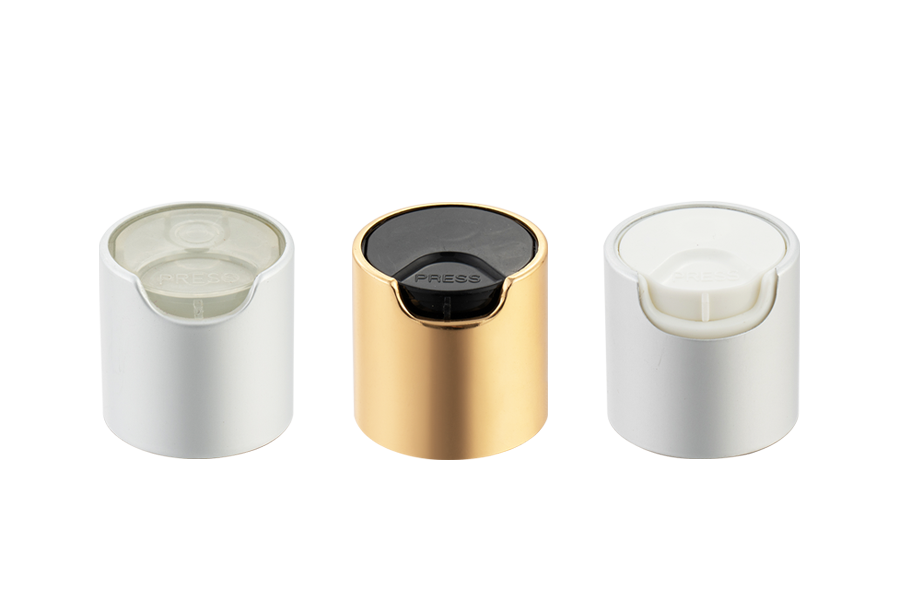
- Lid type and mechanism: Friction-fit slip lids, screw-top lids, press-on lids, and double-lid configurations (an inner sealed lid plus an outer decorative cap) are all available. Each offers a different combination of ease of opening, resealing effectiveness, and premium tactile experience.
- Surface decoration: Lithographic printing, screen printing, UV printing, hot foil stamping, embossing, debossing, matte and gloss varnishing, and metallic effect coatings can all be applied to aluminum can surfaces, enabling reproduction of complex brand graphics, photographic imagery, and premium decorative effects.
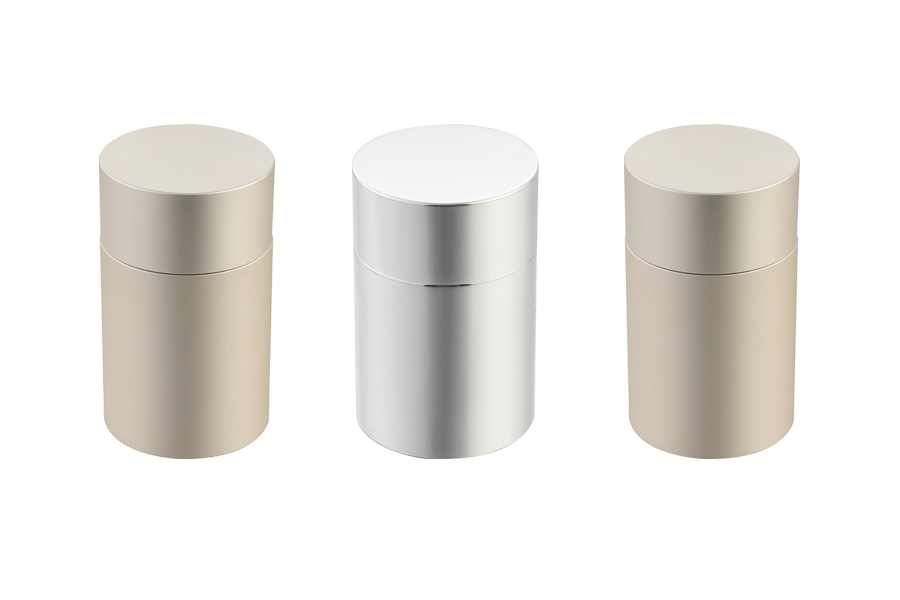
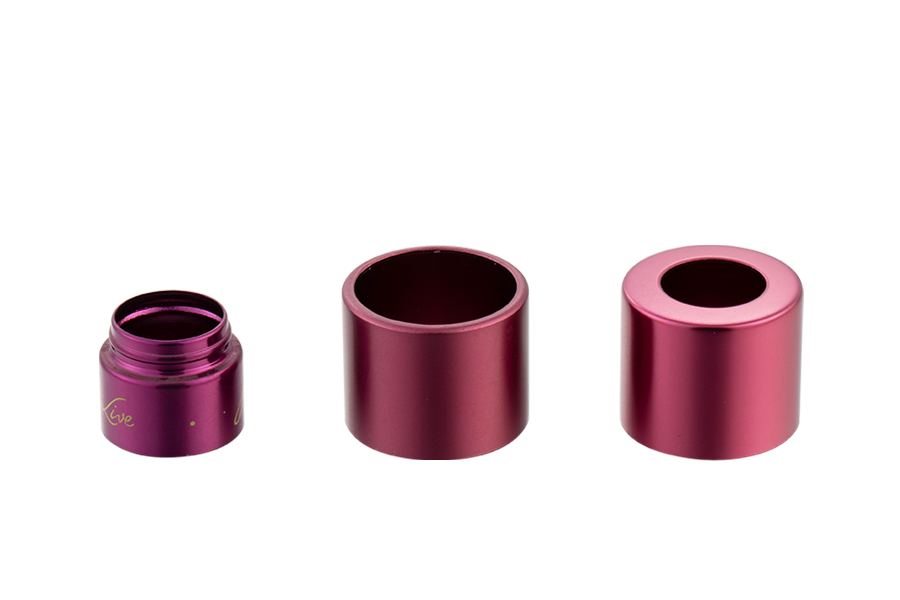
- Colour and finish: The base aluminum can be painted in any RAL or Pantone colour, anodised in metallic tones, or left as natural brushed aluminum. Each finish communicates a different brand personality — natural brushed aluminum for minimalist premium; deep lacquered colour for traditional heritage; gold or silver metallic for luxury gifting.
- Personalised marking and branding: Custom text, logos, barcodes, QR codes, and regulatory information can all be incorporated into the print design, maintaining compliance with packaging regulations in target markets while integrating seamlessly with the overall design aesthetic.



 +86-13967526770 / +86-0575-82393566
 +86-0575-82393568
 Weiqi Road, Hangzhou Bay Economic and Technological Development Zone, Shangyu District, Shaoxing City, Zhejiang Province, China