


 En
En  简体中文
简体中文 English
When choosing a cosmetics aluminum spray bottle, the three most critical factors are material grade, valve quality, and compatibility with your formula. A bottle that looks premium but uses low-grade aluminum or a poorly sealed valve can degrade your product within weeks. Start by confirming the aluminum alloy grade, checking whether the inner lining resists your specific formula type, and verifying that the spray valve delivers the mist pattern your product requires.
The sections below break down each decision point with practical benchmarks so you can evaluate options confidently — whether you are a brand owner sourcing packaging for the first time or a formulator looking to upgrade existing containers.
Content
- 1 Understand the Aluminum Alloy Grade
- 2 Check the Inner Coating Compatibility
- 3 Evaluate the Spray Valve and Actuator
- 4 Select the Right Capacity for Your Product Line
- 5 Assess Sealing Performance and Leak Resistance
- 6 Consider Surface Finish and Decoration Options
- 7 Verify Regulatory and Safety Compliance
- 8 Sustainability and Recyclability Considerations
- 9 Key Questions to Ask Your Supplier Before Ordering
Understand the Aluminum Alloy Grade
Not all aluminum is equal. Cosmetic spray bottles are typically made from 1000-series or 3000-series aluminum alloys. The 1000 series (≥99% pure aluminum) offers excellent corrosion resistance and is ideal for water-based or alcohol-based mists such as facial toners and setting sprays. The 3000 series adds manganese for better structural rigidity, making it more suitable for pressurized aerosol applications like dry shampoo or body spray.
When evaluating suppliers, ask specifically for the alloy designation. A reputable manufacturer will provide a material certificate. Avoid bottles listed only as "food-grade aluminum" without further specification — this is too vague to verify.
Wall Thickness Matters
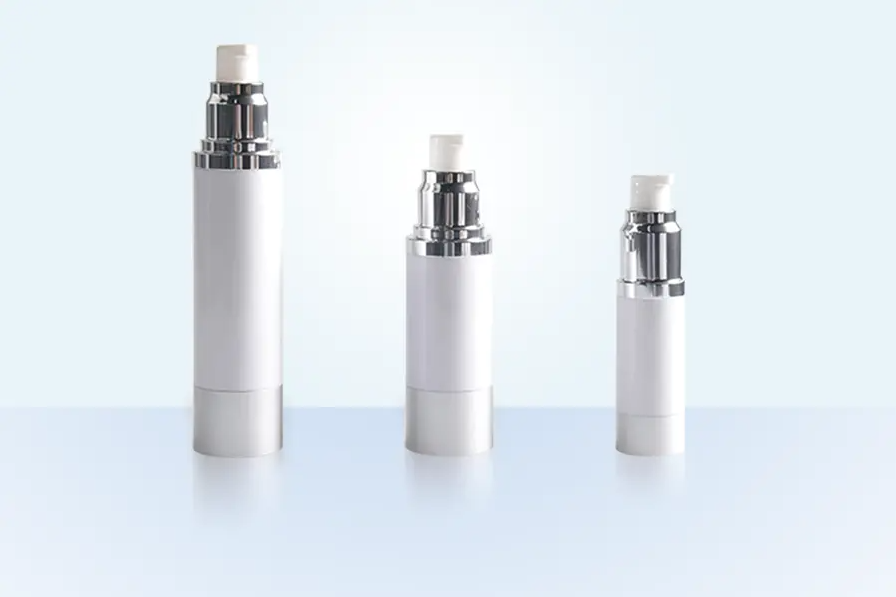
Standard cosmetic aluminum bottles have a wall thickness of 0.25 mm to 0.40 mm. Thinner walls (0.20 mm or below) dent easily during shipping and may compromise the seal integrity of the valve. For travel-size bottles under 50 ml, a minimum of 0.28 mm is generally recommended to withstand typical handling stress.
Check the Inner Coating Compatibility
Raw aluminum reacts with many cosmetic ingredients, including acids, essential oils, and some preservatives. An inner epoxy or polyester lining is essential for most formulas. The lining prevents oxidation, discoloration, and off-notes caused by metal ion leaching — a common quality failure that shows up 4 to 8 weeks after filling.
Match the lining type to your formula:
- Epoxy lining — best for alcohol-heavy formulas (e.g., perfumes, setting sprays with >30% ethanol content)
- Polyester lining — suitable for oil-based or emulsion formulas such as facial mists with botanical extracts
- BPA-free phenolic lining — used when regulatory requirements mandate BPA-free certification for certain markets (EU, US FDA)
- No lining (bare aluminum) — only appropriate for anhydrous, non-acidic formulas with pH above 6.5
Always conduct a 30-day compatibility test by filling a sample bottle with your actual formula and storing it at 40°C. Inspect for discoloration, pressure change, or off-odors before committing to a bulk order.
Evaluate the Spray Valve and Actuator
The valve is the functional heart of a spray bottle. A mismatched valve can turn a fine mist into a dripping stream or cause uneven dispensing that frustrates end users. There are three primary valve types used in cosmetic aluminum spray packaging:
| Valve Type | Spray Output | Best For | Typical Dosage per Actuation |
|---|---|---|---|
| Continuous Spray Valve | Fine mist | Setting sprays, facial mists, sunscreen mists | 0.12 – 0.18 ml |
| Metered-Dose Valve | Precise single dose | Perfumes, active serums, medicated sprays | 0.05 – 0.10 ml |
| Bag-on-Valve (BOV) | 360° dispensing mist | Body sprays, after-sun mists, hair care | 0.15 – 0.25 ml |
For most cosmetic facial mists, a continuous spray valve with a spray particle size of 30–80 microns creates the ideal lightweight coverage without over-wetting the skin. Request a valve spec sheet from the manufacturer and confirm the particle size through a laser diffraction test if precision is required.
Actuator Shape and Spray Angle
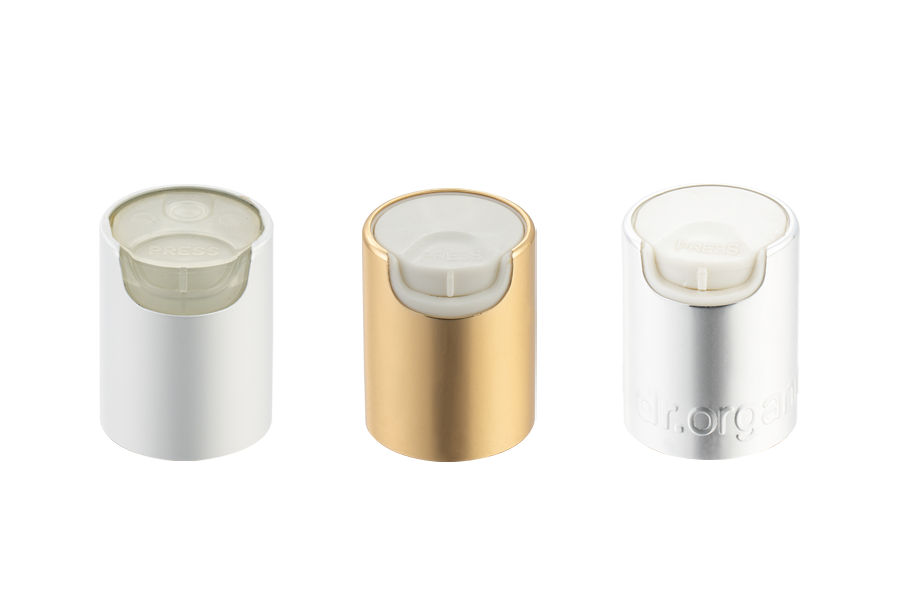
The actuator (the button or cap the user presses) affects ergonomics and spray pattern. A wider orifice actuator (0.30 mm+) produces a broader mist cone, which works well for body coverage. A narrower orifice (0.20–0.25 mm) delivers a more targeted spray, preferred for face and hair products. Confirm the spray angle — most facial spray actuators are designed for a 20° to 30° cone angle for even distribution at a 20–30 cm usage distance.
Select the Right Capacity for Your Product Line
Aluminum spray bottles for cosmetics typically range from 30 ml to 500 ml. Capacity selection should be driven by usage frequency, retail channel, and regulatory requirements rather than aesthetic preference alone.
- 30–50 ml: Travel retail, sample sizes, airline carry-on compliant (TSA 3.4 oz / 100 ml rule applies to liquids — 50 ml aluminum aerosols may have additional restrictions depending on propellant)
- 75–150 ml: Standard retail size for facial mists, toners, and hair sprays; the most common range for e-commerce cosmetics
- 200–300 ml: Professional or salon-use formats; also popular for body sprays and deodorants
- 400–500 ml: Refill or bulk-use formats for high-frequency products like dry shampoo or setting spray
Account for headspace: aluminum aerosol bottles should be filled to approximately 85–90% of nominal capacity to allow for propellant pressure and thermal expansion. Overfilling causes valve failure and is a safety hazard in pressurized units.
Assess Sealing Performance and Leak Resistance
Leakage is one of the top complaints in cosmetic spray packaging. The seal quality depends on three components working together: the valve gasket material, the crimping precision, and the dip tube length.
Gasket Material
Gaskets are typically made from neoprene, EPDM, or nitrile rubber. EPDM gaskets offer the broadest chemical resistance and are compatible with both aqueous and alcohol-based formulas. Neoprene works for standard water-based products but may swell with high-ethanol content (>50%). Always specify gasket material when ordering — do not assume a default.
Crimping Tolerance
The valve is crimped onto the bottle neck during filling. Crimping diameter tolerance should be within ±0.1 mm of specification. Tolerances wider than this are associated with significantly higher leak rates in pressurized bottles. Request QC data showing crimp diameter consistency across a production batch before approving a supplier.
Dip Tube Length
The dip tube draws formula from the bottom of the bottle. It should reach within 3–5 mm of the bottle base. A tube that is too short leaves residual product inaccessible, reducing effective yield by up to 8–12% in a 100 ml bottle — a significant waste for high-cost formulas.
Consider Surface Finish and Decoration Options
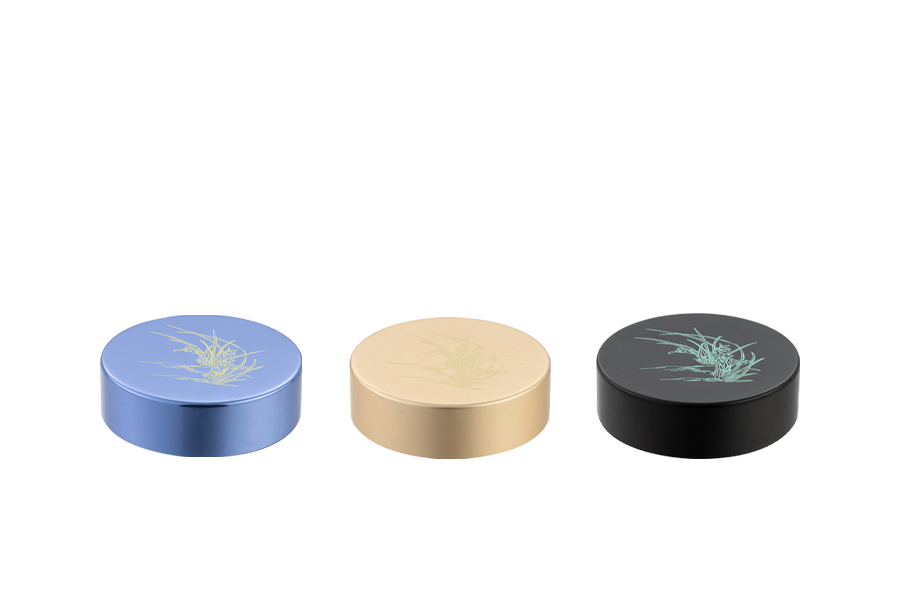
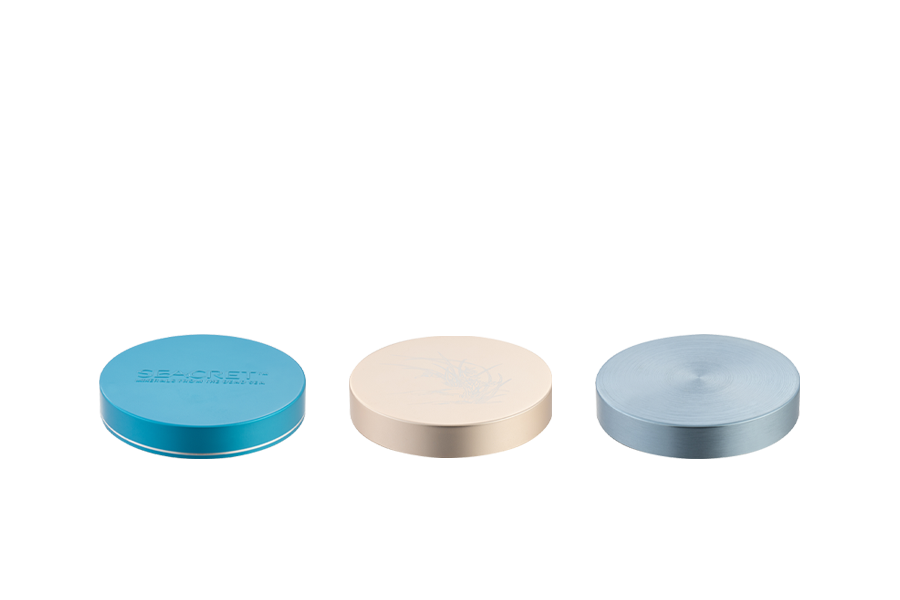
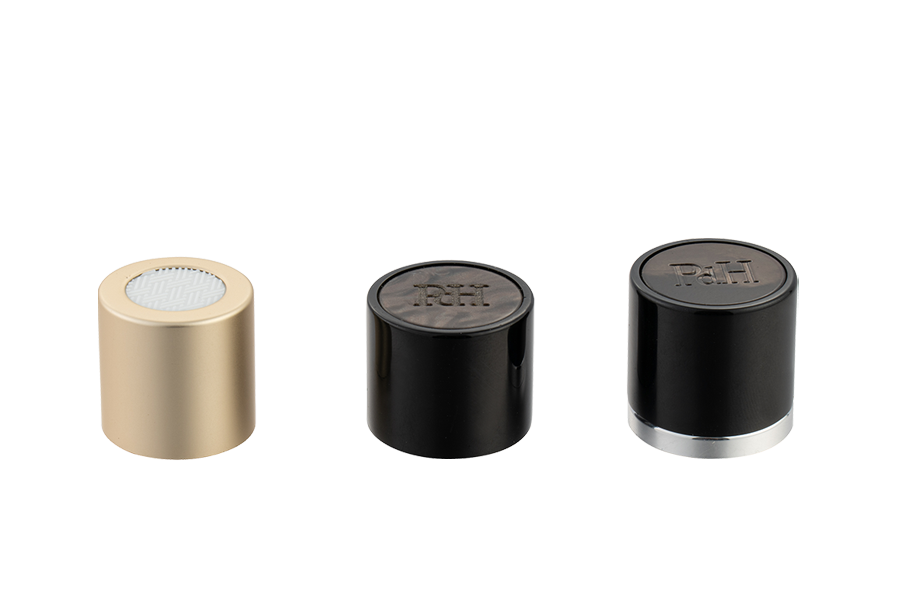
Aluminum spray bottles support a wide range of surface treatments, which affect both aesthetics and durability of branding. Common options include:
- Anodizing: Creates a hard, corrosion-resistant oxide layer. Available in matte or gloss finishes. Colors are integral to the surface, not a coating, so they do not chip or peel. Suitable for high-end positioning.
- Spray coating (lacquer or powder coat): Lower cost, wide color range, but surface is more susceptible to scuffing in transit. Requires abrasion testing if bottles will be sold loose or in minimal secondary packaging.
- Silk-screen printing: Direct-to-bottle logo and text printing. Typically rated for 500–1,000 rub cycles before visible fading — confirm rub resistance with your packaging supplier using ASTM D5264 or equivalent standard.
- Hot stamping: Foil-based metallic decoration applied under heat and pressure. Durable and premium-looking, ideal for small surface areas like logos. Not suitable for full-body coverage.
Match the surface finish to your distribution environment. If bottles will be stored in humid climates or handled frequently in retail settings, anodizing or powder coat with a protective topcoat will outperform basic lacquer finishes over a 12–18 month shelf life.
Verify Regulatory and Safety Compliance
Aluminum aerosol and spray bottles are subject to regulations that vary by market. Ignoring compliance at the sourcing stage leads to costly reformulations or market access barriers later.
- EU: Aerosol Dispensers Directive (75/324/EEC, as updated) sets pressure limits and mandatory marking requirements. Bottles must display the inverted triangle symbol and maximum fill capacity.
- US: Aerosol products containing flammable propellants must comply with DOT 49 CFR regulations for transport. Non-pressurized pump sprays face fewer restrictions but still require accurate ingredient labeling under FDA guidelines.
- China: GB/T 14624 standards govern cosmetic aerosol packaging. Pressurized bottles must meet specified burst pressure thresholds — typically 1.2 MPa minimum burst resistance at 50°C.
- Global: If your product contains propellants classified as greenhouse gases (e.g., HFCs), check applicable environmental regulations in target markets, as several regions are phasing out specific propellant types.
Request a Declaration of Conformity and relevant test reports from your packaging supplier before finalizing the specification. For pressurized bottles, hydrostatic pressure testing certificates (confirming the bottle withstands internal pressure without deformation) are a standard requirement in most regulated markets.
Sustainability and Recyclability Considerations
One of aluminum's genuine advantages as a packaging material is its recyclability. Aluminum can be recycled indefinitely without loss of material quality, and recycled aluminum production requires only about 5% of the energy needed to produce primary aluminum. This makes it a meaningful sustainability argument for consumer-facing cosmetic brands.
However, recyclability in practice depends on several factors:
- Bottles must be completely emptied before recycling — residual pressurized product creates safety hazards at recycling facilities
- Plastic components (dip tube, actuator, overcap) should be removable for separate material stream sorting; specify PP or PE components to align with mono-material recyclability goals where possible
- Inner coatings (epoxy, polyester) do not prevent aluminum recycling — they are burned off during the smelting process and do not contaminate the recycled material
If sustainability claims are part of your brand positioning, verify the recycled content percentage in your supplier's aluminum stock. Some manufacturers offer bottles made from 50–70% post-consumer recycled aluminum, which can support EPD (Environmental Product Declaration) documentation for B2B buyers or green certification programs.
Key Questions to Ask Your Supplier Before Ordering
Before placing a bulk order, use the following checklist to evaluate any aluminum spray bottle supplier:
- What is the aluminum alloy designation, and can you provide a material certificate?
- What inner lining is applied, and has it been tested against alcohol, acids, and essential oils?
- What is the valve type, gasket material, and measured spray particle size?
- What is the wall thickness and crimp diameter tolerance on production batches?
- Do you provide hydrostatic pressure test reports and burst resistance data?
- What decoration methods are available, and what is the rub resistance rating?
- What percentage of recycled aluminum content does the bottle contain?
- Can you supply samples for a 30-day compatibility test with our formula before bulk production?
A supplier who can answer all of these questions with documentation is significantly more reliable than one who provides verbal assurances alone. Always test before you scale — the cost of a 30-day compatibility test is negligible compared to a quality recall or reformulation after launch.




 +86-13967526770 / +86-0575-82393566
 +86-0575-82393568
 Weiqi Road, Hangzhou Bay Economic and Technological Development Zone, Shangyu District, Shaoxing City, Zhejiang Province, China