


 En
En  简体中文
简体中文 English
Choosing the right aluminum emulsion jar requires evaluating capacity requirements, material quality, sealing performance, surface treatment, and customization options. The ideal jar features a plastic inner cover for product contact, an aluminum oxide outer cover for protection, and specifications that match your product viscosity, shelf life requirements, and brand positioning.
Content
Understanding Jar Construction and Materials
Dual-Layer Design Benefits
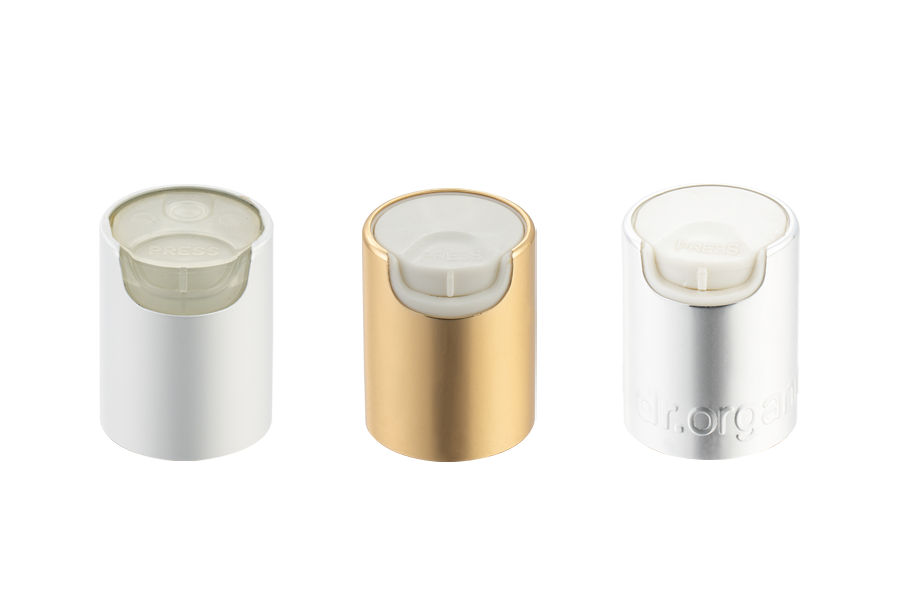
Quality aluminum emulsion jars feature a dual-layer construction with distinct material functions. The inner cover is plastic—typically polypropylene—which directly contacts the cosmetic product and provides chemical stability. The outer cover is aluminum oxide, offering structural protection, corrosion resistance, and premium aesthetics. This combination ensures that the product remains uncontaminated while benefiting from aluminum's protective properties and visual appeal.
Material Quality Indicators
When evaluating aluminum emulsion jars, assess the aluminum grade and thickness. High-quality jars use food-grade or cosmetic-grade aluminum that is not easily deformed under normal handling. The plastic inner liner should be FDA-approved polypropylene or polyethylene, free from harmful additives. Lightweight yet durable construction indicates optimal material selection that balances protection with practicality.
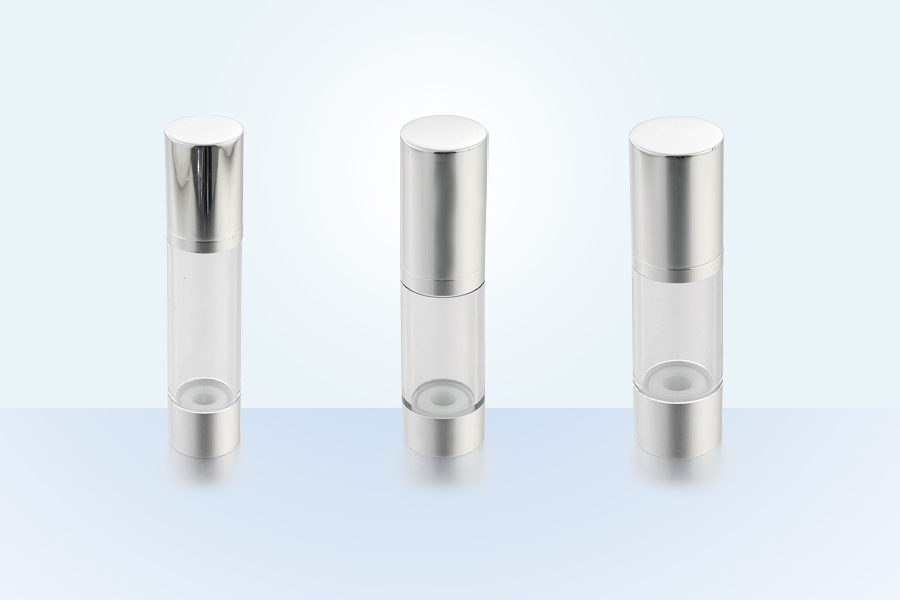
Selecting Appropriate Capacity and Dimensions
Capacity Range Options
Aluminum emulsion jars are available in capacities ranging from 15ml for sample sizes to 250ml or larger for professional or bulk products. Standard sizes include 15ml, 30ml, 50ml, 100ml, 150ml, and 200ml options. Select capacity based on product usage rate, target market (travel size vs. home use), and price positioning. Smaller jars suit premium serums and eye creams, while larger sizes accommodate body lotions and hair masks.
Dimensional Compatibility
Consider the jar's physical dimensions relative to your product display, shipping requirements, and user handling. Ensure the diameter and height align with your packaging line capabilities and retail shelf specifications. Standard dimensions typically follow industry conventions: 15ml jars measure approximately 40x17mm, 30ml around 52x20mm, 50ml about 57x27mm, and 100ml approximately 83x28mm.
The following table summarizes common size specifications:
| Capacity | Typical Dimensions | Best Applications |
|---|---|---|
| 15ml | 40x17mm | Samples, travel serums, eye creams |
| 30ml | 52x20mm | Face serums, targeted treatments |
| 50ml | 57x27mm | Standard face creams, day/night moisturizers |
| 100ml | 83x28mm | Body lotions, hair masks, bulk products |
| 150-200ml | 92x35mm+ | Professional sizes, salon products |
Evaluating Sealing and Protection Performance
Sealing Mechanism Assessment
Strong sealing is essential for maintaining product integrity. Evaluate the jar's closure system for easy opening and closing while ensuring a secure seal when closed. The plastic inner cover should form a tight barrier that is waterproof and moisture-proof, effectively protecting the product from contamination, oxidation, and environmental degradation. Test the seal by inverting a filled jar to verify leak-proof performance.
Surface Treatment Quality
Aluminum covers should feature surface oxidation treatment that provides heat resistance and reduces product oxidation. This treatment better maintains product quality by creating a protective barrier against environmental factors. Examine the finish for uniformity, smoothness, and resistance to scratching. High-quality surface treatment ensures the jar maintains its appearance through the product lifecycle.
Aesthetics and Customization Options
Color and Finish Selection
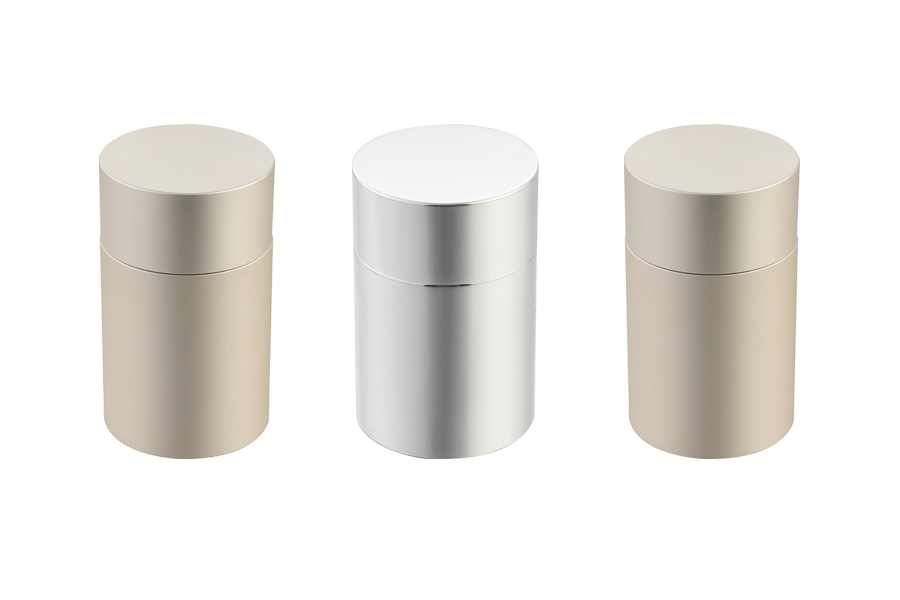
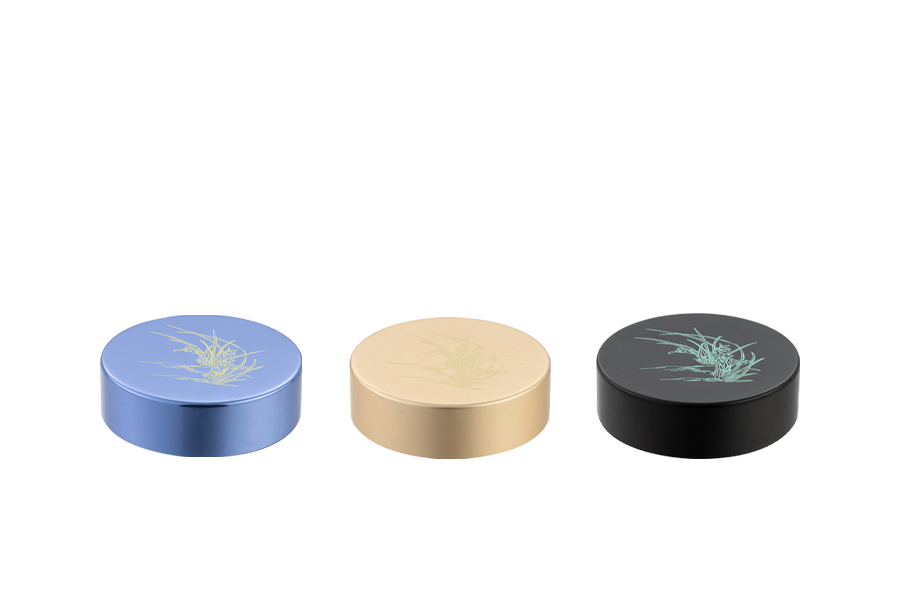
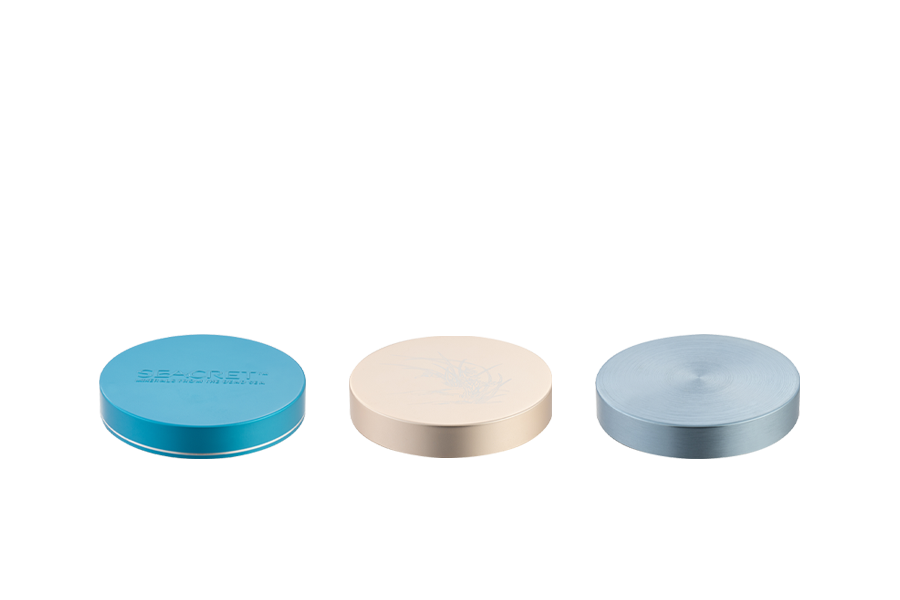
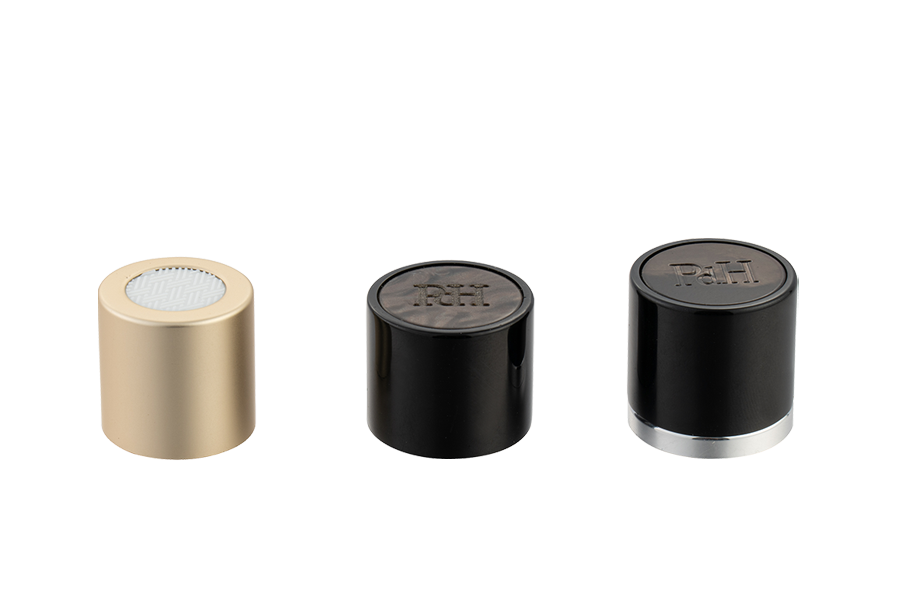
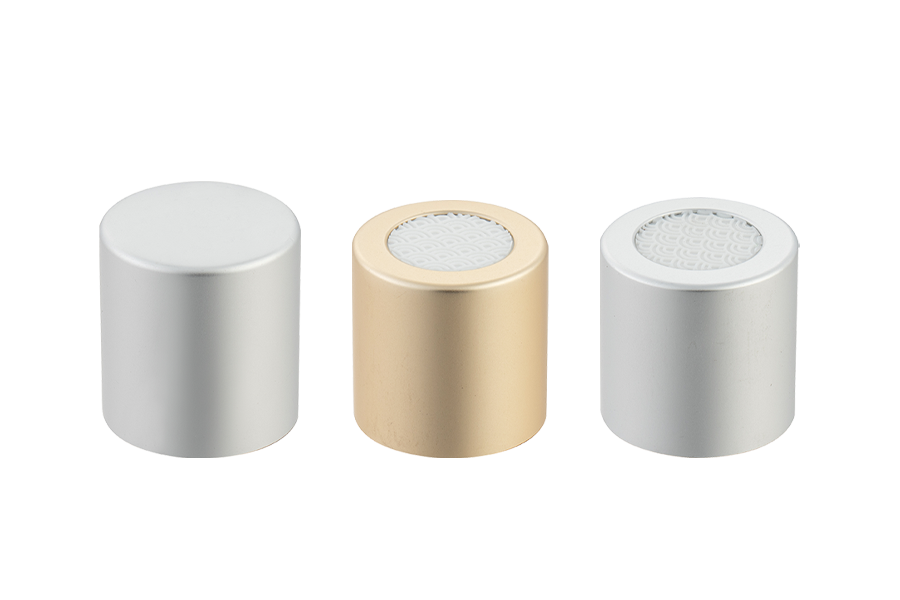
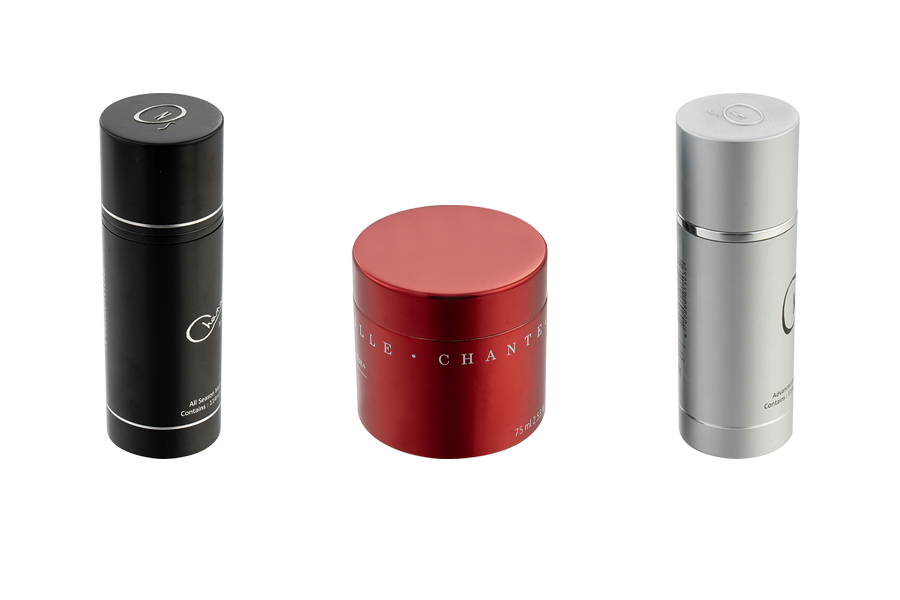
Aluminum emulsion jars are available in beautiful and diverse colors achieved through anodizing, painting, or powder coating. Options include classic silver, champagne gold, rose gold, matte black, and custom color matching. The finish should align with your brand identity and product positioning—premium products may benefit from metallic finishes, while natural or organic lines might prefer earthy tones.
Customization Capabilities
Personalized designs can be developed according to specific customer requirements. Different markings, logos, and decorative elements can be customized through techniques including hot stamping, embossing, debossing, screen printing, and laser engraving. These customization options improve product recognition and novelty on retail shelves. Minimum order quantities for customization typically range from 1,000 to 5,000 units depending on complexity.
Sustainability and Environmental Considerations
Recyclable Materials
The utilization of recyclable materials meets green environmental protection concepts. Aluminum is infinitely recyclable without quality degradation, and polypropylene inner liners are widely recyclable. Selecting jars made from recycled aluminum content can further enhance sustainability credentials. Communicate these environmental benefits to increasingly eco-conscious consumers.
Lifecycle Environmental Impact
Consider the complete environmental footprint from manufacturing through disposal. Aluminum production requires significant energy, but recycling reduces this impact by 95%. The durability of aluminum jars enables reuse for refills or repurposing, extending material utility. Lightweight aluminum also reduces transportation emissions compared to glass alternatives.
Supplier Selection and Quality Verification
Manufacturer Qualifications
Select suppliers with demonstrated experience in cosmetic packaging manufacturing. Verify compliance with FDA, EU cosmetic regulations, and ISO quality standards. Request samples to evaluate actual product quality before placing bulk orders. Reputable manufacturers provide certificates of analysis, material safety data sheets, and quality control documentation.
Testing and Validation
Before finalizing selection, conduct compatibility testing between your product formulation and the jar materials. Test for chemical interaction, barrier performance, and stability under various temperature and humidity conditions. Stability testing over 3-6 months ensures the jar maintains product quality throughout intended shelf life.



 +86-13967526770 / +86-0575-82393566
 +86-0575-82393568
 Weiqi Road, Hangzhou Bay Economic and Technological Development Zone, Shangyu District, Shaoxing City, Zhejiang Province, China